A Potential Shift in the U.S. Midterms: How Could Constraints on Trump’s Agenda Affect Gold, the Dollar, and U.S. Stocks?
The U.S. midterm elections are more than a redistribution of congressional seats. They also mark an important moment for global financial markets to reassess the direction of policy. For investors, the key question is not simply whether Republicans or Democrats win, but how the outcome could change fiscal spending, tariffs, energy policy, and the regulatory environment—and, in turn, influence the U.S. dollar, gold, U.S. equities, and crude oil.
If Democrats gain control of both the Senate and the House of Representatives in these midterms, the Trump administration would face a divided government, with the White House and Congress controlled by different parties. Markets could then reprice expectations surrounding tax cuts, deregulation, and increased fiscal spending.
However, a shift in congressional control does not automatically mean stocks will fall or the dollar will weaken. For CFD traders, the key is to identify which policy expectations have genuinely changed and whether those changes are already priced in.
1. Would Democratic Control of Both Chambers Make Trump a “Lame Duck”?
The term “lame duck” is often used to describe a president whose political influence has diminished and whose ability to advance an agenda is constrained. It does not, however, mean the president immediately loses executive authority.
If the opposition party controls both chambers of Congress, the White House would face several immediate challenges:
-
Greater legislative hurdles: Tax cuts, major spending measures, and other proposals requiring congressional authorization would depend more heavily on bipartisan negotiations.
-
Obstacles to appointments: The Senate could use its confirmation process to delay or reject certain nominees for Cabinet positions, federal judgeships, and ambassadorships.
-
Stronger congressional oversight: Relevant committees could hold hearings, request documents, and investigate government policies and officials’ conduct.
-
More complex budget negotiations: Failure to reach an agreement on appropriations could increase the risk of a government shutdown.
Nevertheless, the president retains certain executive, foreign-policy, and statutorily granted powers, subject to legal limits and judicial review. Even with majorities in both chambers, Democrats could not unilaterally guarantee the reversal of every policy.
Similarly, winning a House majority does not automatically make a particular lawmaker Speaker; a vote of the full House is still required. Impeachment also does not mean removal from office: the House can approve articles of impeachment, but conviction in the Senate requires the support of two-thirds of senators present.
For markets, what matters is not the “lame duck” label, but which policies move from “likely to be implemented” to “potentially delayed or scaled back.”
2. Three Policy Areas Financial Markets Will Watch Most Closely
Fiscal Policy and Tax Cuts: Do Corporate Earnings Expectations Need to Be Revised Downward?
If markets previously expected Republicans to pursue further tax cuts or higher spending, a change in congressional control could reduce the likelihood of those policies being enacted.
This could produce two opposing effects. On one hand, weaker prospects for anticipated tax benefits could put pressure on some equity valuations. On the other, if markets lower their expectations for future deficits and debt issuance, Treasury yields could face downward pressure, supporting interest-rate-sensitive assets.
The direction of U.S. equities therefore cannot be inferred solely from which party wins. Treasury yields and corporate earnings expectations must also be considered.
Tariffs and Trade: A Policy Shift Would Not Happen Overnight
If Congress moves to impose tighter limits on tariff measures, markets could reassess import costs, supply-chain arrangements, and the inflation outlook.
Retailers, manufacturers, and some technology companies that rely on overseas sourcing could benefit from the prospect of easing cost pressures. Industries previously supported by trade protection measures could face different effects.
However, a change in congressional control does not mean existing tariffs will be immediately removed. The outcome would still depend on statutory authority, the legislative process, presidential veto powers, and court rulings.
Policy Gridlock: Less Intervention, but Potentially More Risk
Markets sometimes interpret divided government as reducing the likelihood of major policy changes, which can help lower uncertainty about the rules businesses operate under.
But if disagreements extend to government funding, the debt ceiling, or crisis management, gridlock can itself become a source of risk. Investors need to distinguish between relatively stable political checks and balances and substantive conflicts that could disrupt government operations.
3. How Could Four Major Markets Respond to a Post-Election Shift?
Gold: Watch Safe-Haven Demand—and Real Interest Rates
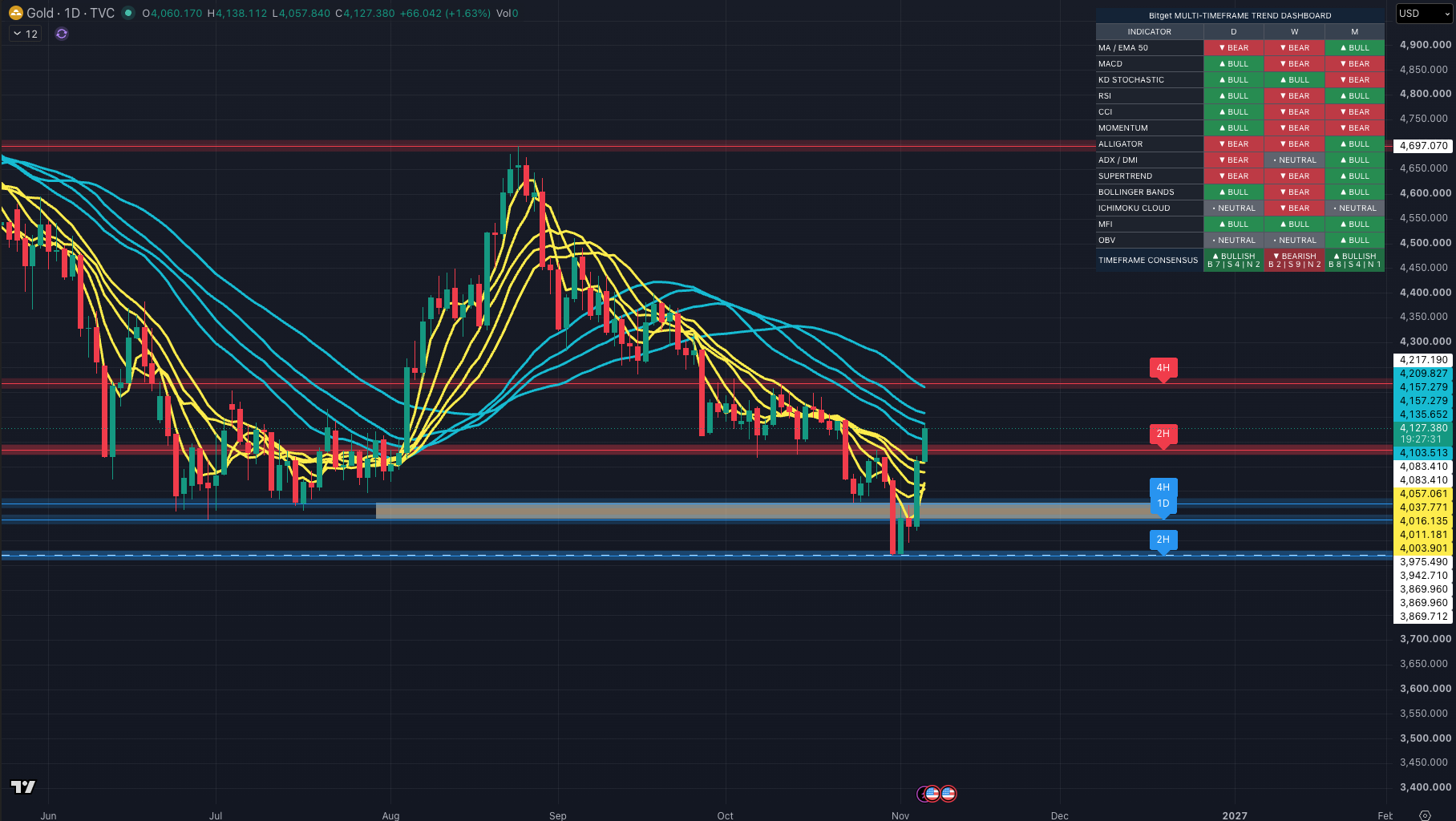
Election disputes, budget conflicts, or heightened policy uncertainty could increase gold’s appeal as a safe-haven asset. Falling real Treasury yields and a weaker dollar also tend to support gold prices.
But political risk does not guarantee a rise in gold. If markets simultaneously raise their inflation and interest-rate expectations, or if safe-haven demand strengthens the dollar, gold could still come under pressure.
What to watch: The dollar’s direction, real Treasury yields, and whether gold holds key pre-event price levels.
The U.S. Dollar: Safe-Haven Demand and Rate Differentials Could Pull in Opposite Directions
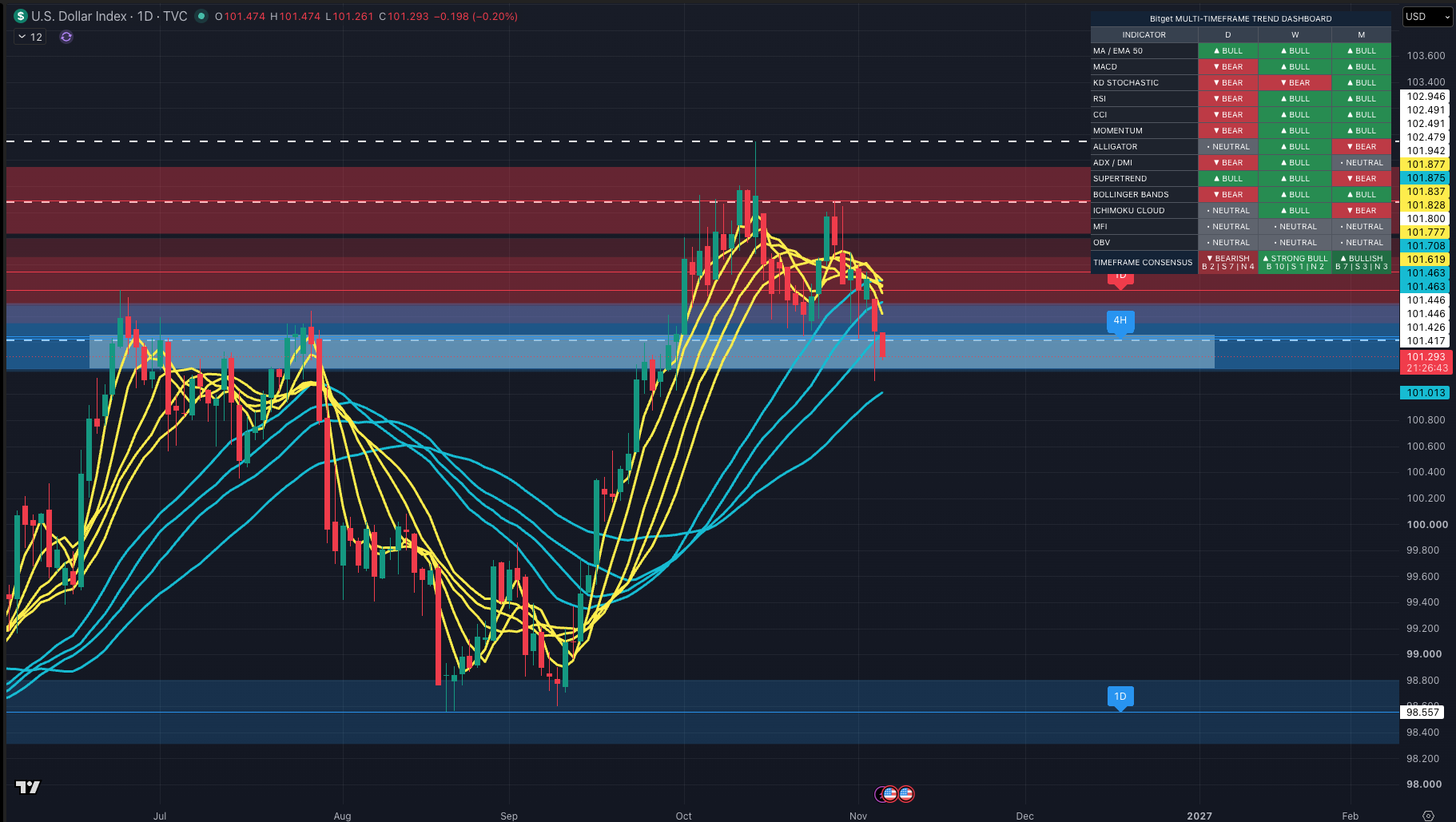
If markets believe policy constraints will slow economic growth and increase the likelihood of Federal Reserve rate cuts, the dollar could face pressure.
Conversely, if political developments trigger global risk aversion, demand for liquidity and safe-haven assets could strengthen the dollar. Its medium-term direction still needs to be assessed against differences in growth, inflation, and interest-rate expectations between the U.S. and other economies.
What to watch: The two-year U.S. Treasury yield, policy divergence among major central banks, and upcoming employment and inflation data.
U.S. Equities: Look Beyond the Indices to Sector Divergence
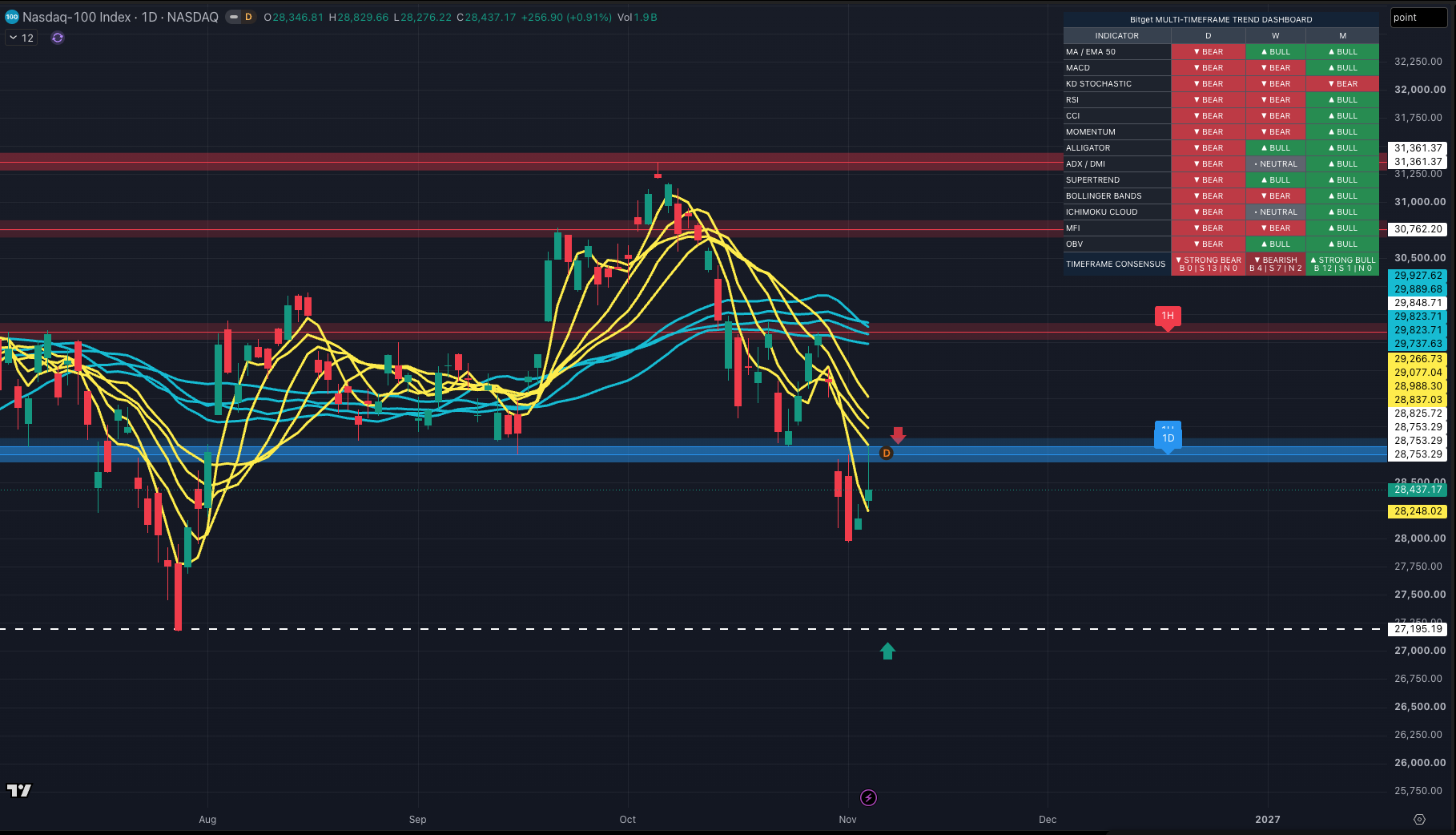
Markets may not rise or fall uniformly after the election. Instead, differences in sector performance could become more pronounced.
Technology and growth stocks are generally more sensitive to changes in bond yields. Financial stocks may be affected by shifts in regulatory and tax-cut expectations, while retailers and manufacturers are more exposed to tariffs and input costs. Energy and defense companies also require separate assessments of supply and demand, geopolitical conditions, and budget allocations, as relevant.
What to watch: Whether index moves are supported by a broad range of sectors, and whether price reactions align with corporate earnings outlooks.
Crude Oil: Elections Are a Variable, but Supply and Demand Remain Central
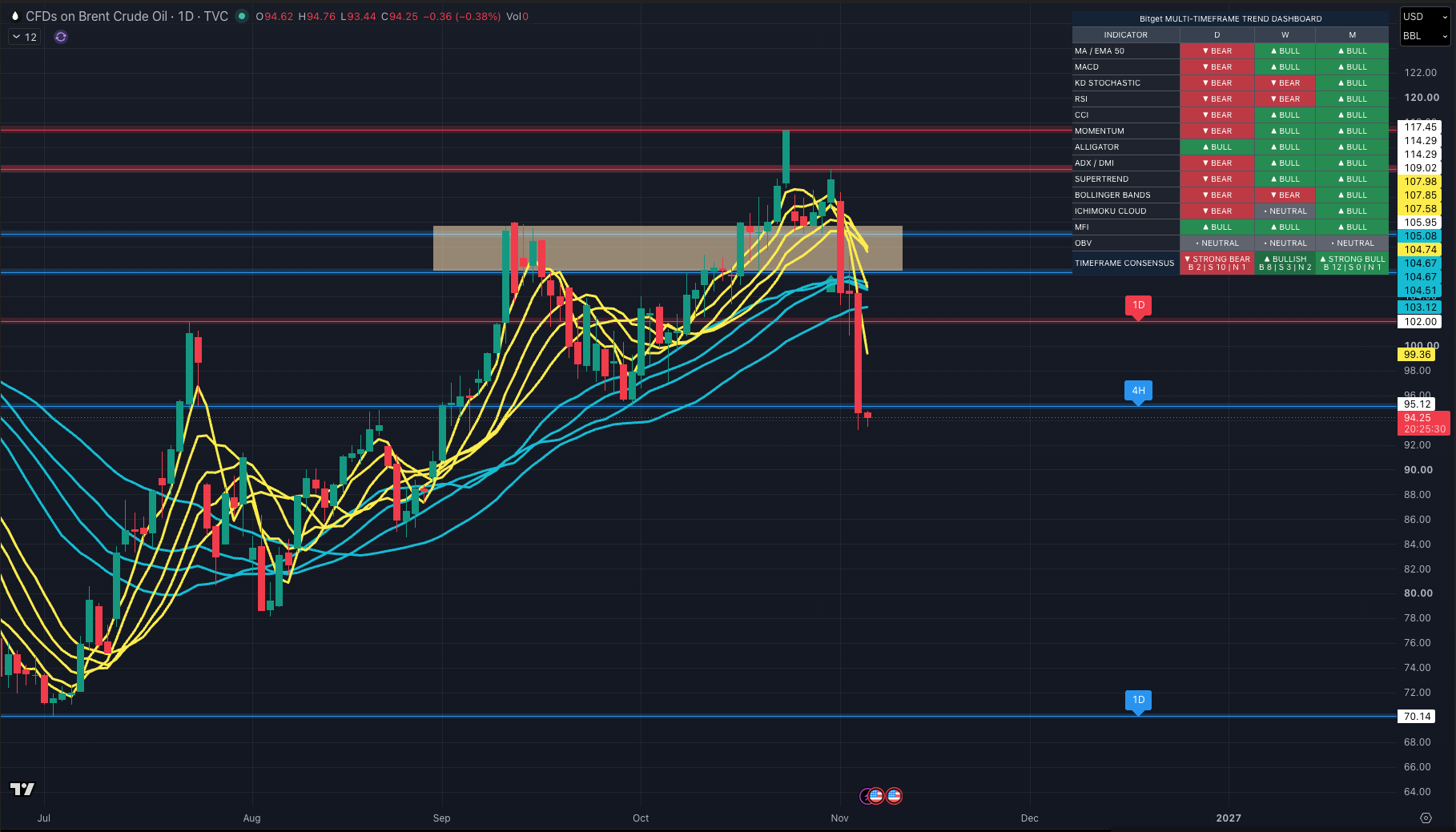
U.S. energy policy, sanctions, and foreign-policy priorities can all influence oil prices. However, the direction of crude cannot be determined from congressional election results alone.
Even if markets expect geopolitical risks to ease, actual supply may still be shaped by producer-country policies, inventories, shipping conditions, and changes in demand. Conversely, policies that encourage additional production do not mean supply can immediately increase substantially.
What to watch: Actual supply disruptions, inventory data, decisions by oil-producing countries, and the global demand outlook.
4. How Can CFD Traders Build a Post-Election Trading Framework?
First, Verify the News Before Interpreting the Price
During an election, media projections, candidates’ victory declarations, official vote counts, and final certification represent different stages of information.
Before trading, verify the source and publication time of any report. Avoid entering positions based on unverified screenshots, social media posts, or outdated seat counts. Even if your directional assessment is correct, chasing a move can still expose you to a reversal if the news has already been priced in.
Second, Use Scenario Planning Instead of a One-Way Bet
| Scenario |
Possible Market Reaction |
Signals to Seek for Confirmation |
| A clear result, with markets expecting relatively stable political checks and balances |
Safe-haven demand may ease, and risk assets could stabilize |
Lower volatility and improving equity-market breadth |
| A disputed result or escalating political conflict |
Safe-haven demand may rise, with choppy price action |
How the dollar, gold, and Treasuries respond together |
| Expectations for fiscal expansion cool |
Yields may decline, potentially supporting growth stocks |
Bond-market moves and adjustments in interest-rate expectations |
| Budget negotiations reach an impasse |
Risk premiums on some assets may rise |
Progress on appropriations and reactions in the short-term Treasury market |
These are analytical scenarios, not guaranteed price paths.
Third, Incorporate Leverage and Execution Risks into the Plan
CFDs can be used to express bullish or bearish views, but leverage magnifies both profits and losses. Major political events can also bring wider spreads, slippage, price gaps, and changes to margin requirements.
Before entering a trade, define the maximum loss you can tolerate and use that limit to determine position size. Understand that stop-loss orders may not execute at the specified price in fast-moving markets. For longer holding periods, overnight financing and other costs must also be considered.
In addition, holding several positions linked to the dollar, gold, or U.S. equities does not necessarily provide diversification. They may all be exposed to the same interest-rate development or political headline.
Conclusion: Trade Changes in Policy Expectations, Not Election Labels
If the U.S. midterms produce a shift in congressional power, they could reshape the scope of Trump’s agenda for the remainder of his term. For financial markets, however, the real price drivers are the gap between the election outcome and prior expectations, and its implications for earnings, inflation, interest rates, and risk appetite.
For CFD traders, what matters more than correctly predicting the winning party is developing testable market scenarios, waiting for confirmation from price action, and defining risk before entering a position.
Visit Bitget to Explore CFD Trading Opportunities
Want to turn post-election macro analysis into a more disciplined trading plan? Visit Bitget’s official platform to check whether CFD trading is available in your region and review the available products, fees, and margin requirements. Once you have confirmed your eligibility and understood the product risks, decide whether to trade based on your market assessment and risk tolerance.
All trading education provided by Bitget is for educational purposes only and should not be considered financial advice. The strategies and examples shared are for reference only and may not reflect actual market conditions. CFD trading involves significant risk, including the potential loss of capital. Past performance does not guarantee future results. Please conduct thorough research and ensure that you understand the risks involved. Bitget is not responsible for any trading decisions made by users.


- 1. Would Democratic Control of Both Chambers Make Trump a “Lame Duck”?
- 2. Three Policy Areas Financial Markets Will Watch Most Closely
- 3. How Could Four Major Markets Respond to a Post-Election Shift?
- 4. How Can CFD Traders Build a Post-Election Trading Framework?
- Conclusion: Trade Changes in Policy Expectations, Not Election Labels