
MERL (MerlinChain) rebounds over 40% from its low in 24 hours: trading volume surges driven by BTCL2 popularity
 Bitget Pulse2026/04/20 10:50
Volatility Summary
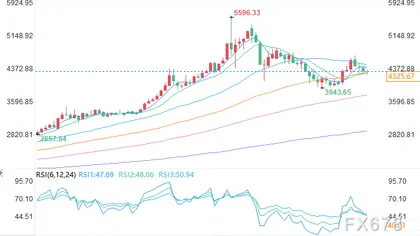
In the past 24 hours, the MERL price rebounded from a low of $0.03449 to the current $0.04813, reaching a high of $0.04833, with a fluctuation range of up to 40.1%. The 24-hour trading volume was approximately $29.7 million, up 64.7% from the previous day, indicating a significant increase in market activity.
Brief Analysis of Abnormal Movement
- 24-hour trading volume surged by 64.7% to around $30 million, and the improved liquidity directly fueled the price rebound, without any apparent single news event.
- Community discussions focus on the Merlin Chain mainnet launch and the potential of the BTC L2 ecosystem. Following a post on April 19 mentioning "mainnet launch and airdrop," the price spiked.
There have been no official announcements, whale large transfers, or fundraising events recorded in the past 24 hours.
Market Views and Outlook
Trading community sentiment leans bullish, with AI trading signals expecting a rebound to $0.041–$0.048. The 7-day increase has reached 70%, with optimism about the continuation of the BTC L2 narrative. However, some opinions warn of resistance around $0.037–$0.039, and caution against potential pullbacks.
Note: This analysis is automatically generated by AI based on public data and on-chain monitoring, and is for informational purposes only.Disclaimer: The content of this article solely reflects the author's opinion and does not represent the platform in any capacity. This article is not intended to serve as a reference for making investment decisions.
You may also like
The 5% U.S. Treasury yield storm is coming! The refinancing time bomb countdown begins—who will be the first victim?
The 10-year US Treasury yield has surpassed 5%, reaching a new high since 2007. The longer high interest rates persist, the greater the refinancing pressure will be on real estate companies, commercial real estate, and highly indebted firms, with systemic risks likely to accelerate and emerge within the next 12 to 18 months.

Don't Fight the Profit Cycle! Will U.S. Stocks Break 8,000 Points This Year?
Jefferies predicts that, driven by the dual engines of the AI investment boom and stronger-than-expected corporate earnings, the S&P 500 index is expected to soar to 8,000 points by the end of 2026 and further reach 9,000 points in 2027. AI-driven profit expansion has spread from the "Magnificent Seven" to the entire market, with the S&P 500's EPS forecast to surge by 35% this year, far exceeding market consensus—marking the strongest earnings supercycle since 1995! The only real threat: if US Treasury yields continue to spike, the risk of valuation compression cannot be ignored.
Will “continual learning” AI extend the memory “shortage” until 2031?
Citi believes that as AI enters the era of "continuous learning" beyond simple training and inference stages, demand for HBM, server DDR5, and enterprise SSDs (eSSD) will experience explosive and simultaneous growth starting from 2027. While demand will surge rapidly, the supply side is constrained by HBM production capacity usage and slower technology migration, leading to expansion lagging far behind demand. This supply-demand imbalance is expected to continue until 2031.


