
Tesla self-driving car Cybercab in real-life: no steering wheel, no brakes—this car belongs to the future


We finally saw the real Tesla Cybercab in Guangzhou.
At first glance, it looks very “Tesla”: clean and sleek, but it’s also slightly different from the Teslas we’re familiar with. The front is lower, the roof slopes all the way to the back, and the golden polyurethane body is quite distinct.
⬆️ Click to watch the video ⬆️
One very noticeable detail on the side is that the front and rear wheel sizes are different: the front wheels are 18 inches, while the rear wheels are 21 inches. That makes the rear wheels look especially large, and the overall center of gravity of the car also appears to be more toward the back.
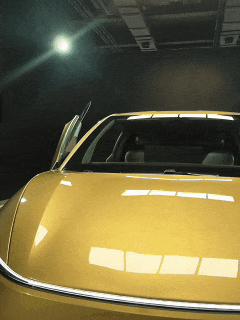
Another thing you’ll notice is that this car doesn’t have exterior side mirrors; there are a total of eight cameras arranged around the car body. That’s right: on this driverless car, Tesla still sticks to its pure vision system without Lidar.
The rear design is also very clean, with almost no complicated lines visible. Because the car doesn’t need to be driven manually, naturally, it doesn’t need a rear windshield either; the taillight style is somewhat similar to the latest Model Y L, which also has a full-width light strip.
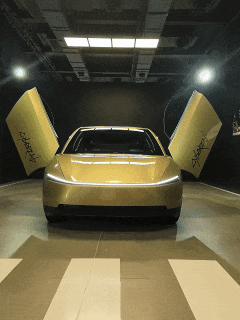
Two years ago, when the concept version of this car was released, Musk said it would only support wireless charging. But now we can see that the mass production version actually has a small charging port in this spot.
That’s about it for the exterior. Let’s take a look at what's inside, starting with the doors; these are automatic doors.
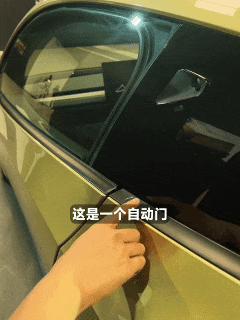
What’s the benefit of automatic doors? Imagine, as a ride-hailing vehicle, it’s inevitable to encounter passengers who don’t close the door properly. Electric doors can effectively avoid this problem.
Sitting in the Cybercab, you’ll immediately realize this car was never designed with “driving” in mind. There’s no steering wheel, no dashboard, and no brake or accelerator.
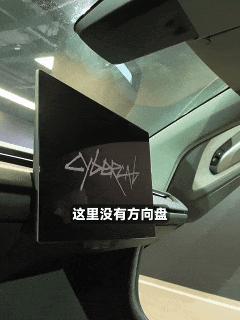
The instrument panel at the front is left with only one screen, now sized at 20.5 inches—much larger than the rear entertainment screens in many cars. It makes sense: as a passenger in this car, you don’t need to pay attention to the road, so you can immerse yourself completely in the screen experience.
The feeling of sitting inside is very different from the cars we’re used to. It’s hard to distinguish between the driver’s and co-driver’s seat—they’re both just equal passenger seats now.
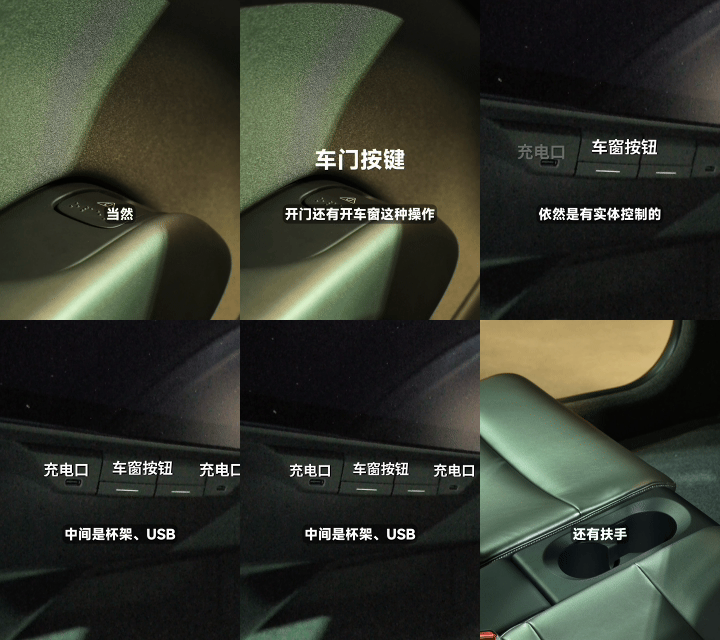
The interior is kept very simple. After all, as a ride-hailing car, there’s nothing much for you to do besides waiting to be driven to your destination. Of course, physical controls for opening doors and windows are still provided. In the middle, there are cup holders, USB ports, and an armrest.
Also, since the Cybercab has only two seats, trunk space at the back is quite generous. Official specs: 572 liters, maximum load of 100kg, enough to hold two checked suitcases and two carry-on cases at the same time.
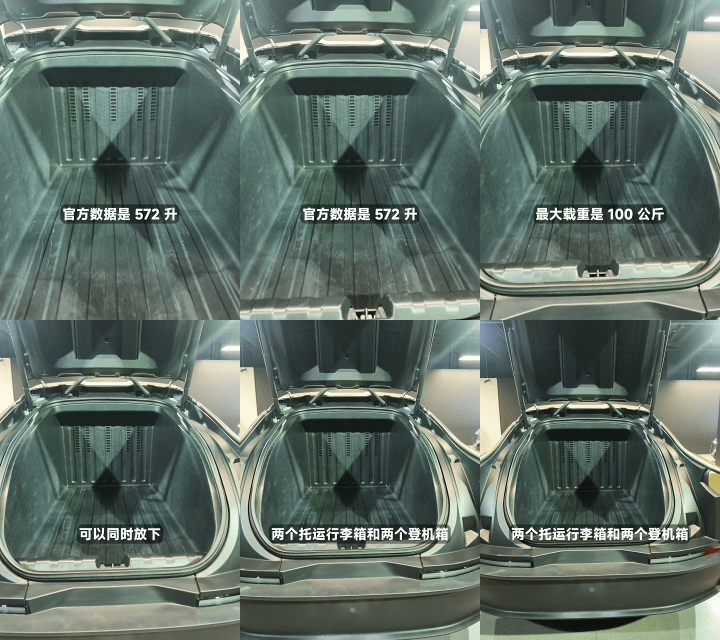
Many people online question why Tesla only gave it two seats. But this design is quite understandable: Think about it, most of the time when we use ride-hailing, there are only one or two people. Instead of keeping a rarely-used back seat, it’s more practical to use the space for luggage. As for larger groups, leave that to the future Robovan.
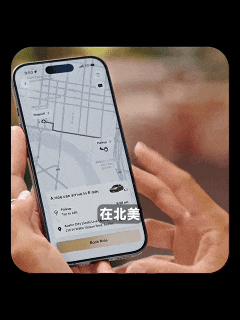
In North America, the Cybercab is already in actual operation. While the experience isn’t perfect, it at least shows that a car without a steering wheel is moving from the showroom to real life.
Of course, this is China, and for now, what we’re seeing is only a static display. After all, FSD hasn’t been fully rolled out domestically, so don’t expect it to be driving on the road right away. Still, even if we can only look at it closely today, this car is quite interesting.
In our minds, a car should have a steering wheel, pedals, and a dashboard; there’s always a driver’s and a co-driver’s seat. But if one day cars truly don’t need to be driven by humans, all these things that have existed for decades or centuries may start to disappear one by one.
In the end, all that might be left is just two seats, a screen, and a space that takes you from point A to point B.
Text | Li Hua



Disclaimer: The content of this article solely reflects the author's opinion and does not represent the platform in any capacity. This article is not intended to serve as a reference for making investment decisions.
You may also like
Bitcoin weathers September storm as rate hikes and Clarity act setback test bulls
Continuous mineralization over 905 meters! Auro Metals gold and copper resource potential is further confirmed, phase II drilling empowers long-term growth
Auro Metals Inc. has announced another major exploration breakthrough, with the first phase of drilling at the Santa Barbara copper-gold mine yielding further breakthrough results.
JP Morgan: Raising interest rates is not enough to end the US stock market rally; long-term rates, fiscal policies, and geopolitics are the real risks
J.P. Morgan believes that an interest rate hike does not signify the end of the bullish logic for US stocks, as AI capital expenditures and corporate profits can still support the equity market. However, fiscal deficits, bond supply, and geopolitical risks will continue to drive up long-term interest rates. The real concern is the rapid approach of the 10-year US Treasury yield to 5.5%-6%, at which point high-valuation growth stocks could face significantly increased pressure.
Solana holds above $100, targets $130 as ETF inflows reach $837K


