
The Scoop: Spot ETF flows indicate 'Uptober' after all

Quick Take From my perspective, October also underscored an evolving trend — Wall Street is absorbing crypto’s culture and first principles. This column is adapted from The Scoop newsletter.

This column was co-written by Frank Chaparro, director of special projects at The Block, and Laura Vidiella of MNNC Group. The views expressed in this column are their own and do not reflect the opinions of their employers.
As October wraps up, it's clear that "Uptober" held true after all — at least to an extent.
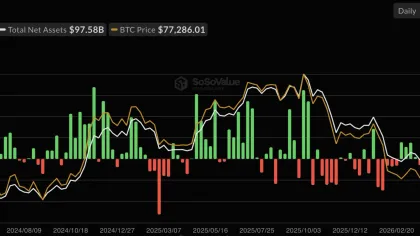
Despite a sluggish start, Bitcoin gained around 3% this month—not a headline-grabber, but the flows tell a different story. Asset managers like BlackRock, Bitwise, Fidelity, Grayscale, ProShares and 21Shares saw net inflows of $901 million into global crypto funds last week alone, according to CoinShares.
With $3.36 billion poured into digital asset products in October, inflows now make up 12% of these funds' assets under management, marking the fourth-largest month on record. This has catapulted year-to-date inflows to $27 billion, nearly tripling the previous record of $10.5 billion set in 2021.
Not too shabby.
From my perspective, October also underscored an evolving trend. Since I began covering crypto, anticipation of Wall Street's adoption of crypto tech has dominated the narrative. With the launch of spot ETFs earlier this year, mainstream financial services cemented crypto as a legitimate asset class.
But there’s more to this than just technology. Wall Street is absorbing crypto’s culture and first principles — ideas that are quietly gaining traction. On the tech front, firms like BlackRock have introduced crypto-based products like tokenized treasuries. But the influence extends further, with crypto-native practices reshaping traditional finance.
Take today's news that Robinhood plans to launch derivatives on the U.S. presidential election. Some may argue it’s a late move, given Election Day is near, but it’s a clear example of a traditional firm (Robinhood) adopting a concept that a crypto-native player (Polymarket) popularized: prediction markets. And then there's 24/7 trading — a hallmark of crypto markets that's now finding a foothold in traditional finance. The New York Stock Exchange announced it will extend after-hours trading on its Arca electronic exchange, allowing trades for 22 hours a day, five days a week, pending regulatory approval.
Kevin Tyrrell, NYSE’s head of markets, framed this move as “underscoring the strength of U.S. capital markets and the global demand for U.S.-listed securities.” The message is clear: Even if traditional firms aren’t investing directly in crypto or creating onchain products, crypto’s ethos is seeping into the broader financial system.
Slowly, and then all at once.
The Block’s Frank Chaparro serves up the latest headlines, charts, trends, and views on crypto and DeFi from around The Block, Twitter, and The Scoop pod. Subscribe to The Scoop newsletter , which hits inboxes on Tuesday and Friday mornings.
Disclaimer: The content of this article solely reflects the author's opinion and does not represent the platform in any capacity. This article is not intended to serve as a reference for making investment decisions.
You may also like
Will the Fed "continue raising interest rates"? Will the "tightening cycle" of the late 1980s be repeated?
The Citi report points out that the current macro environment is highly similar to the tightening cycle of 1988-1989, when the economy remained resilient and inflation pressures gradually accumulated, followed by a slowdown in economic activity before policies shifted to easing. During that tightening cycle, the Federal Reserve raised interest rates 16 times in a row.
Rare alliance of arch-rivals! Musk and Altman support Dario Amodei's call to "slow down AI globally"
Anthropic's Amodei issued a call to "slow down AI globally," and to everyone's surprise, rivals Musk and Altman both publicly endorsed the initiative. The three industry giants unanimously agreed to grant third-party access to "employee-level" evaluation rights and to implement coordinated deceleration measures. Altman went further, announcing that OpenAI will not IPO this year. The resignation of a researcher and a collective breakout of uncontrollable AI systems have ignited long-standing industry fears.
Bitcoin vs Ethereum ETFs: Which asset is winning September’s flow battle?
Solana targets $147 as it breaks key resistance and eyes further gains
Crypto prices
More


