
Citigroup weighs crypto custody as ETFs, stablecoins gain momentum

Wall Street giant Citigroup is weighing plans to offer cryptocurrency custody and payment services, aiming to capitalize on a market bolstered by Trump-era regulatory approvals and pro-industry legislation.
Biswarup Chatterjee, a Citigroup executive, told Reuters that the bank’s initial focus would likely be custody services for “high-quality assets backing stablecoins.”
Chatterjee works within Citigroup’s services division, which manages treasury, payments, cash management and other enterprise solutions for large corporations.
The bank is also exploring custody offerings for crypto-linked exchange-traded products, which could include Bitcoin (BTC) and Ether (ETH) exchange-traded funds (ETFs).
“There needs to be custody of the equivalent amount of digital currency to support these ETFs,” Chatterjee said.
Bitcoin ETFs have surged in popularity since their debut in early 2024. According to Bitbo, the 12 US spot Bitcoin ETF issuers now hold nearly 1.3 million BTC — about 6.2% of the total circulating supply.
BlackRock’s iShares Bitcoin Trust (IBIT) is the largest, with an estimated market value of around $88 billion.
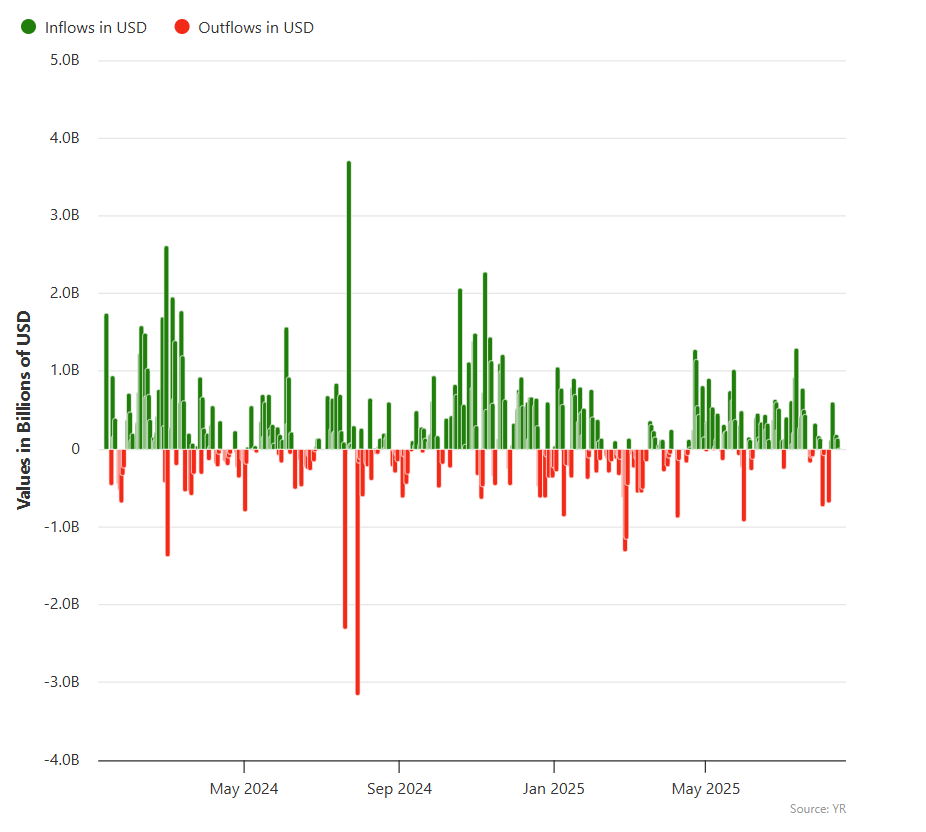
After a slow start, Ether ETFs have seen a surge of inflows, with BlackRock’s Ethereum fund becoming the third-fastest in history to reach $10 billion in assets.
Related: SEC approves in-kind creations and redemptions for crypto ETPs
Custody, payments wouldn’t be Citi’s first move into crypto
Citigroup’s exploration of custody and payment services wouldn’t mark its first foray into the cryptocurrency market.
Earlier this year, the bank partnered with Switzerland’s SIX Digital Exchange to leverage blockchain technology to improve private markets through tokenization.
Citi has been eyeing tokenization since at least 2023, when it described the technology as the next “killer use case” in crypto — estimating it could reach a $5 trillion market valuation by 2030.
Citi was also reportedly among several Wall Street giants, including JPMorgan, Wells Fargo and Bank of America, exploring the possibility of issuing a joint stablecoin.
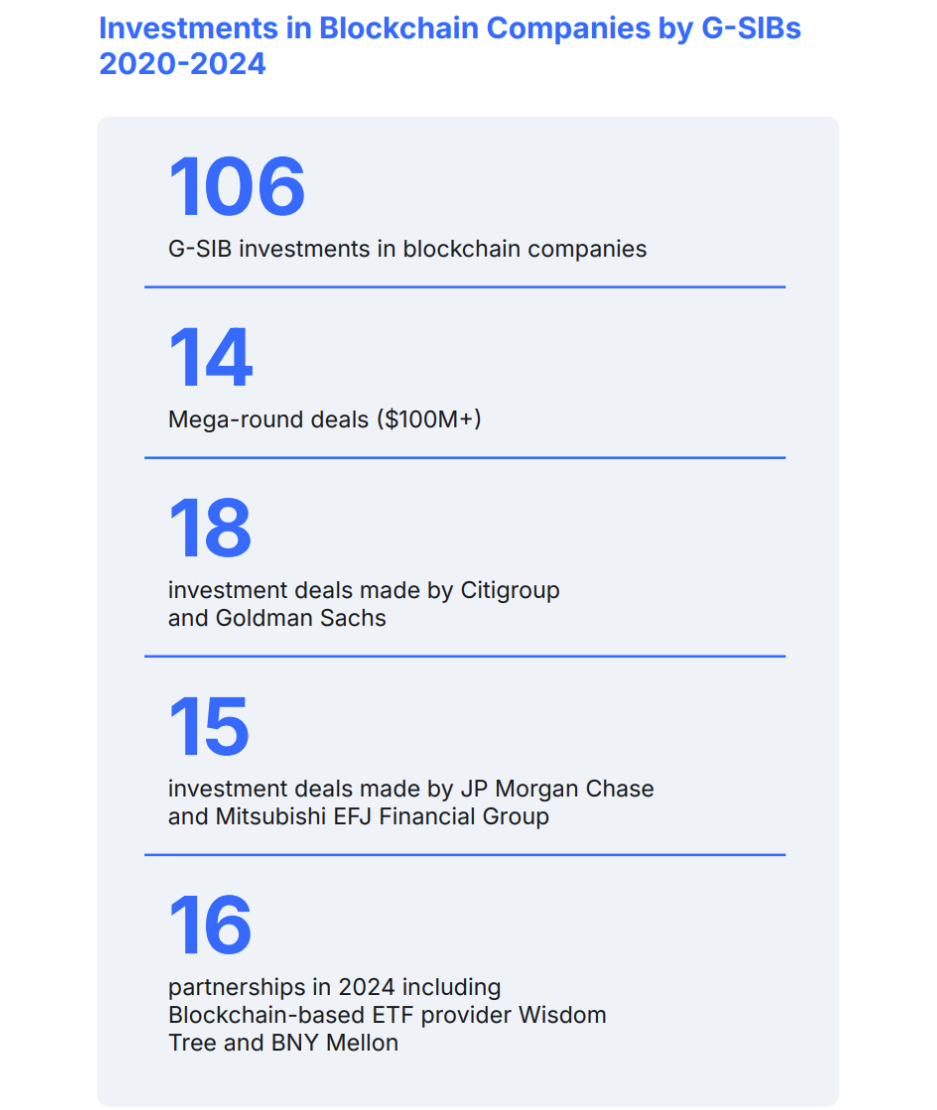
A recent report by Ripple, CB Insights and the UK Centre for Blockchain Technologies ranked Citigroup among the most active institutional investors in blockchain companies, with 18 deals between 2020 and 2024.
Traditional financial institutions have been buoyed by Trump-era efforts to provide regulatory clarity for the crypto sector — initiatives that have extended to the US Securities and Exchange Commission and the recent passage of the US GENIUS Act, a key stablecoin law.
In July, the House of Representatives passed the CLARITY market structure bill, the Anti-CBDC Surveillance State Act and the GENIUS Act.
Related: Crypto Biz: Wall Street giants bet on stablecoins
Disclaimer: The content of this article solely reflects the author's opinion and does not represent the platform in any capacity. This article is not intended to serve as a reference for making investment decisions.
You may also like
Up 20% in October, funds bet on another 30% surge! "Self-destructing" Snap (SNAP.US) call options soar as specs push for $5 billion valuation
As of Monday during the U.S. stock market hours, Snap has risen by more than 20% this month, and its options trading volume has surged to over four times the monthly average. Of the approximately $5.5 million in total options premiums traded, about $5 million came from call options.
Ahead of Earnings Report, Bank of America Raises Target Price for TSMC: 2nm Capacity Ramp-Up Boosts Sales Expectations and Profit Margins
Ahead of TSMC’s Q3 earnings report, Bank of America Merrill Lynch raised its US stock target price to $620 and maintained a Buy rating. Q3 revenue is expected to exceed the upper end of guidance, with the proportion of 2nm process rising from 3% to 11% in a single quarter, becoming the biggest highlight. Q4 sales are expected to increase by another 11% quarter-on-quarter, targeting a full-year growth rate of 40%. The current stock price corresponds to a forward P/E ratio of 16, which is still at the historical median. Bank of America believes the valuation is “not demanding,” implying approximately 37% upside to the target price.
AI trading cools down and storage chip competition intensifies, Korean stocks plunge over 5%, marking a second consecutive day of sharp decline; SK Hynix drops nearly 8%
On Tuesday, the Korea Composite Stock Index (KOSPI) dropped by as much as 5.1%, triggering the Sidecar circuit breaker mechanism on the exchange and suspending programmatic sell orders for five minutes. Both Samsung Electronics and SK Hynix fell more than 6%, marking five consecutive days of decline. Japan's SoftBank Group plunged over 8%, while AI industry-related stocks such as Tokyo Electron and Advantest also dropped by more than 5%.
Crypto prices
More


