
Trump Says India Proposed to Reduce US Tariffs to Zero, But It's Already Too Late

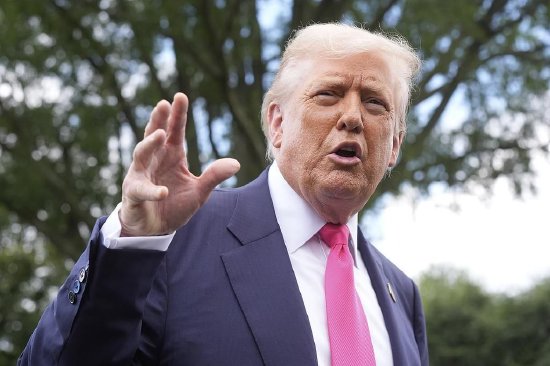
U.S. President Donald Trump stated that after the United States imposed a 50% tariff on India last week due to its purchase of Russian oil, India has now proposed to reduce its tariff rates.
"They have now proposed to lower the tariffs to zero, but it is already too late. They should have done this years ago," Trump wrote on the social platform Truth Social on Monday. It is currently unclear when India made this proposal, nor is it clear whether the White House plans to restart trade negotiations with India.
The new U.S. tariffs have doubled the tariff rate on Indian exports from the original 25%. These tariffs affect more than 55% of goods shipped to the United States—America is also India's largest market—and have hit labor-intensive industries such as textiles and jewelry the hardest. Major export goods such as electronics and pharmaceuticals are exempt, and Apple's massive new factory investment in India has temporarily escaped impact.
The tariffs shocked Indian officials, who had previously engaged in months of trade negotiations with Washington. India was one of the first countries to start trade talks with the Trump administration, but its high tariffs and protectionist policies in sectors such as agriculture and dairy have frustrated U.S. negotiators.
India's Ministry of External Affairs did not respond to requests for comment outside of working hours, and the White House also did not immediately respond. The Office of the United States Trade Representative likewise did not respond immediately.
Disclaimer: The content of this article solely reflects the author's opinion and does not represent the platform in any capacity. This article is not intended to serve as a reference for making investment decisions.
You may also like
Johnson & Johnson (JNJ.US) Q3 Earnings Call: Annual Revenue Expected to Surpass $100 Billion for the First Time, Strong Innovative Drugs Offset Headwinds in Medical Technology
Johnson & Johnson (JNJ.US) released its financial report for the third quarter of fiscal year 2026 and held an earnings conference call.
US September CPI to be released tonight: Overall inflation may rise to 3.6%. Can slowing core inflation dispel the Federal Reserve's October rate hike expectations?
Although energy has driven overall inflation higher, cooling core inflation gives the Federal Reserve confidence to hold rates steady in October. Currently, there is an extreme divergence in pricing between the stock and foreign exchange markets: the stock market remains calm, while the forex market is turbulent beneath the surface. Tonight, one side is destined to face a rude awakening.

AI agents ignite a new battle in the payment industry! Bernstein: Visa (V.US), Mastercard (MA.US), etc. embrace new opportunities
Bernstein believes that as agent commercialization evolves, payments may become increasingly strategic, and the next major battle in the payment industry could soon begin.
Insurance funds become new sponsors for AI computing power: CoreWeave (CRWV.US) and other AI infrastructure financing collectively turn to insurance capital pools
CoreWeave plans to use insurance funds to finance its AI infrastructure, and co-founder McBee aims to secure an investment-grade rating for chip-backed debt. The company's financing this year has exceeded $35 billion.

Crypto prices
More


