
Walmart-owned OnePay to launch bitcoin, ether trading and custody on mobile later this year: report

Quick Take Walmart-backed OnePay has prepared to add bitcoin and ether trading and custody to its mobile banking app later this year. The retail giant previously mulled issuing a U.S.-dollar stablecoin in June.
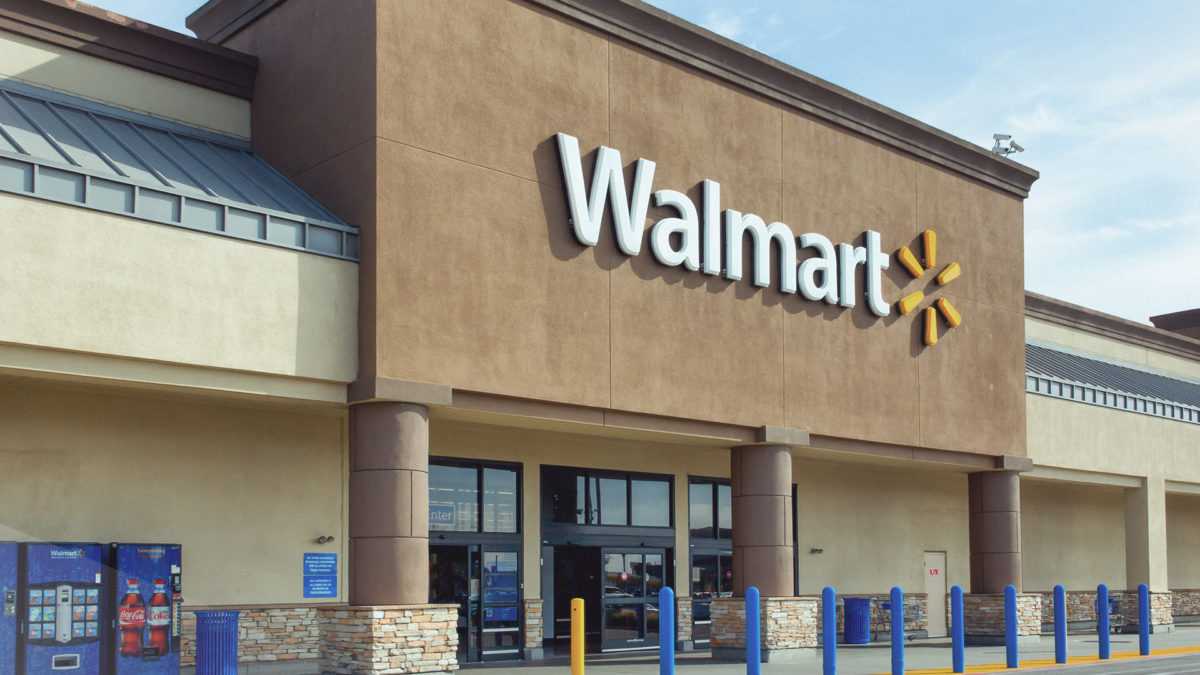
Walmart-backed fintech platform OnePay is reportedly preparing to launch cryptocurrency trading and custody in its mobile banking app later this year, starting with bitcoin and ether.
OnePay’s crypto rollout is expected to let users convert crypto to cash in-app to spend on Walmart purchases or pay down card balances, according to CNBC . The report added that crypto infrastructure startup ZeroHash would be key to embedding crypto support within OnePay's platform.
Friday's news follows Walmart’s interest in U.S. dollar–backed stablecoins . It also comes amid a policy posture that's grown more crypto-friendly. The Trump administration's federal stablecoin framework ( GENIUS Act ) and an executive order opening a path for crypto in 401(k) plans are among a growing list of legislative catalysts.
More broadly, market context remains supportive despite the recent government shutdown . Bitcoin recently topped $121,000 as "Uptober" momentum and steady spot ETF inflows lifted sentiment, while the stablecoin market cap crossed $300 billion for the first time .
Recent price action and inflows serve as tailwinds for further upside, while also providing an incentive for institutional participation.
"The breakout above $120,000 validates the ‘Uptober’ trade," said Timothy Misir, head of research at BRN. Macro headlines have done little to derail the move. The U.S. government shutdown entered its third day on Friday, a backdrop that has historically injected volatility across risk assets but so far hasn’t dented crypto’s start-of-quarter bid.
If finalized, OnePay’s integration would put crypto rails in front of one of America's largest retail user bases. That would translate to buy/hold/spend crypto flows directly into a mainstream shopping and banking app, during a historically bullish period for BTC. For crypto markets, broadening distribution at big-box scale supports retail participation as traders and investors anticipate another seasonal fourth-quarter rally.
Disclaimer: The content of this article solely reflects the author's opinion and does not represent the platform in any capacity. This article is not intended to serve as a reference for making investment decisions.
You may also like
Tesla's sports car can really fly!
Tesla's second-generation Roadster was unveiled at the SpaceX test site, marking a significant debut nine years after pre-orders first began in 2017. Mass production is scheduled for 2028. The new vehicle features a fan suction system and compressed air thrusters, enabling genuine "flight." Elon Musk confirmed that this will be Tesla's last model to support manual driving. Analysts predict that sales of 7,000 units in the first year could generate nearly $2 billion in revenue, with extremely high profit margins being its core commercial value.
Earnings season is here! Citadel Securities: The next few weeks will be the real stress test for U.S. stock fundamentals
The US stock market enters Q3 earnings season, with market expectations for S&P 500 earnings per share to grow 27% year-over-year, marking the third highest threshold ahead of earnings seasons since 2010. However, the growth is highly concentrated—Micron and Nvidia alone contribute 36% of expected gains. Retail investors’ weekly net buying surged to $9.1 billion, with semiconductor purchases reaching a historic peak. Citadel Securities warns that index volatility has fallen to its calmest range in nearly 30 years, while individual stock risks are quietly rising, making stock picking preferable to simply increasing index allocations.
Dangerous signal? CoreWeave founders cash out $3.3 billion after IPO
The founder's sell-off objectively avoided a 60% drop in share price, and some have already liquidated nearly 40% of their wealth. Behind this stark contrast, the company is burdened with a massive $52 billion debt, with a five-year default probability exceeding 60%. The current debt stands at $52 billion, and the cumulative negative free cash flow for 2026-2028 is projected to reach $71 billion. Its model of "borrowing at 9% interest to earn a 1% return" has been harshly criticized as the "subprime crisis" of the AI industry. The high-leverage computing power financing game is now facing the market's ultimate test.

Strategy Braces for $2.8B Liquidation Shock as MSCI Changes Index Rules
Crypto prices
More


