
US Senate passes GAIN Act, prioritizing domestic AI and HPC chip sales

The US Senate has advanced sweeping AI legislation under the National Defense Authorization Act, compelling chipmakers to serve US customers first before exporting advanced processors abroad.
On Thursday, senators passed the Guaranteeing Access and Innovation for National Artificial Intelligence Act of 2026, or GAIN Act, as an amendment to National Defense Authorization Act, requiring AI and high-performance chipmakers to prioritize domestic orders before exporting their products.
The GAIN Act also gives Congress the right to deny export licenses for the most high-end AI processors and mandates export licenses for all products containing an “advanced integrated circuit.”
“Over the past several years, US firms have faced regular backlogs in purchasing chips. In late 2024, Nvidia’s Blackwell line was booked out roughly 12 months ahead,” according to policy advocacy group “Americans for Responsible Innovation.”
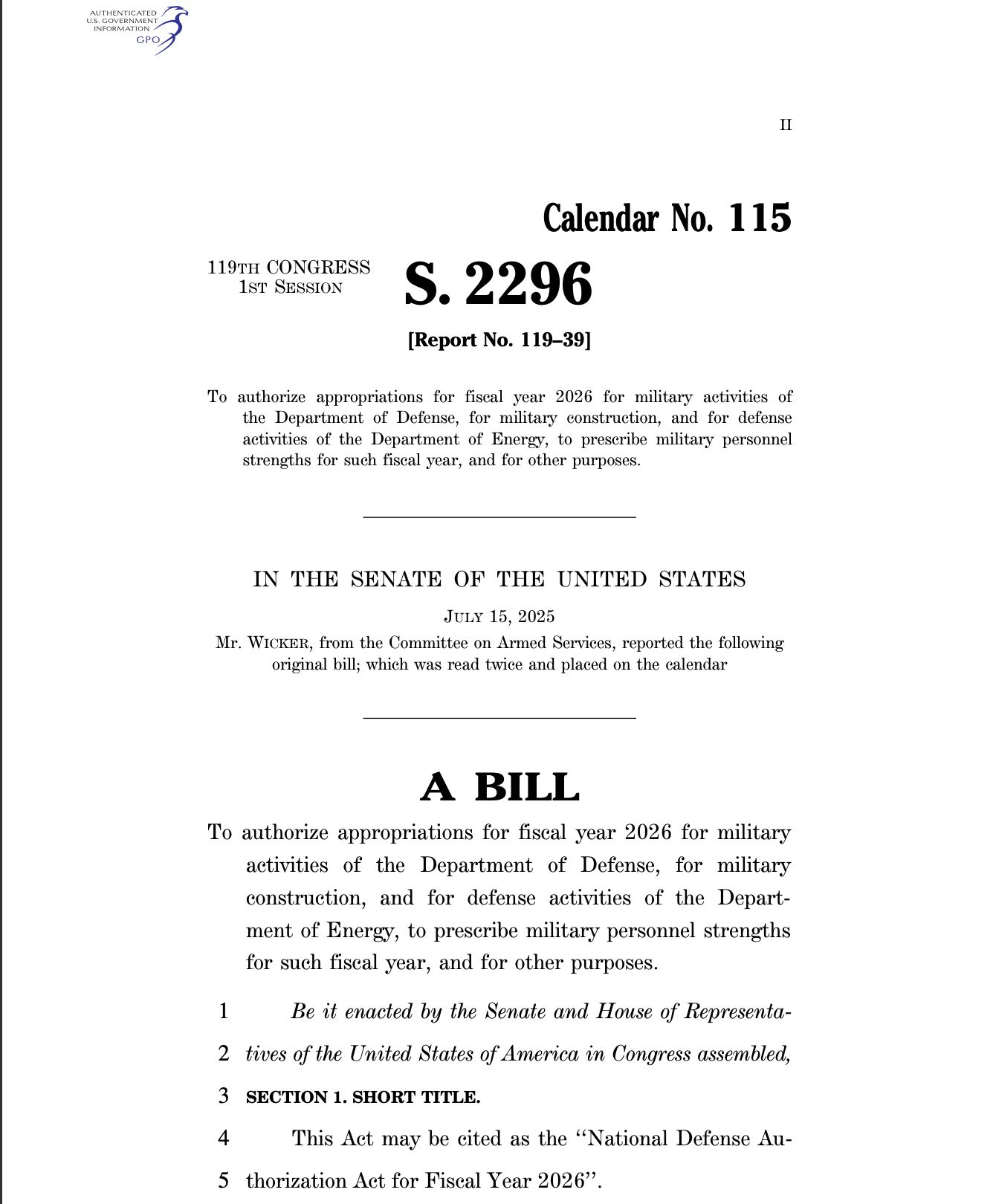
Applicants must show that all US orders have been filled before the export license will be granted under the NDAA for fiscal year 2026.
However, the GAIN AI Act is an amendment to the NDAA and both must still be approved by the House of Representatives and signed by the president before becoming law.
This leaves the final provisions in the NDAA up to Congressional negotiation, with no guarantee that the GAIN Act will become law in its current form or at all.
Export restrictions on artificial intelligence and high-performance computer chips could negatively impact the crypto mining industry, which is global in scope and is already feeling the economic pain from trade tensions, by making hardware harder to acquire.
Related: Bitdeer doubles down on Bitcoin self-mining as rig demand cools
Tariffs and trade wars hit the mining industry hard
The reciprocal trade tariffs announced by US President Donald Trump in April sent crypto prices crashing and created more challenging conditions for the highly competitive mining industry.
Crypto mining hardware manufacturing relies on international supply chains that are now subject to tariffs, which raises the cost of hardware and reduces miner profitability.
CleanSpark, a US-based mining company, faced $185 million in liabilities in July after the US Customs and Border Protection (CBP) claimed some of the mining hardware ordered by the company originated in China.
IREN, another crypto miner in the US, faced a $100 million bill due to claims that the hardware was subject to increased trade duties.
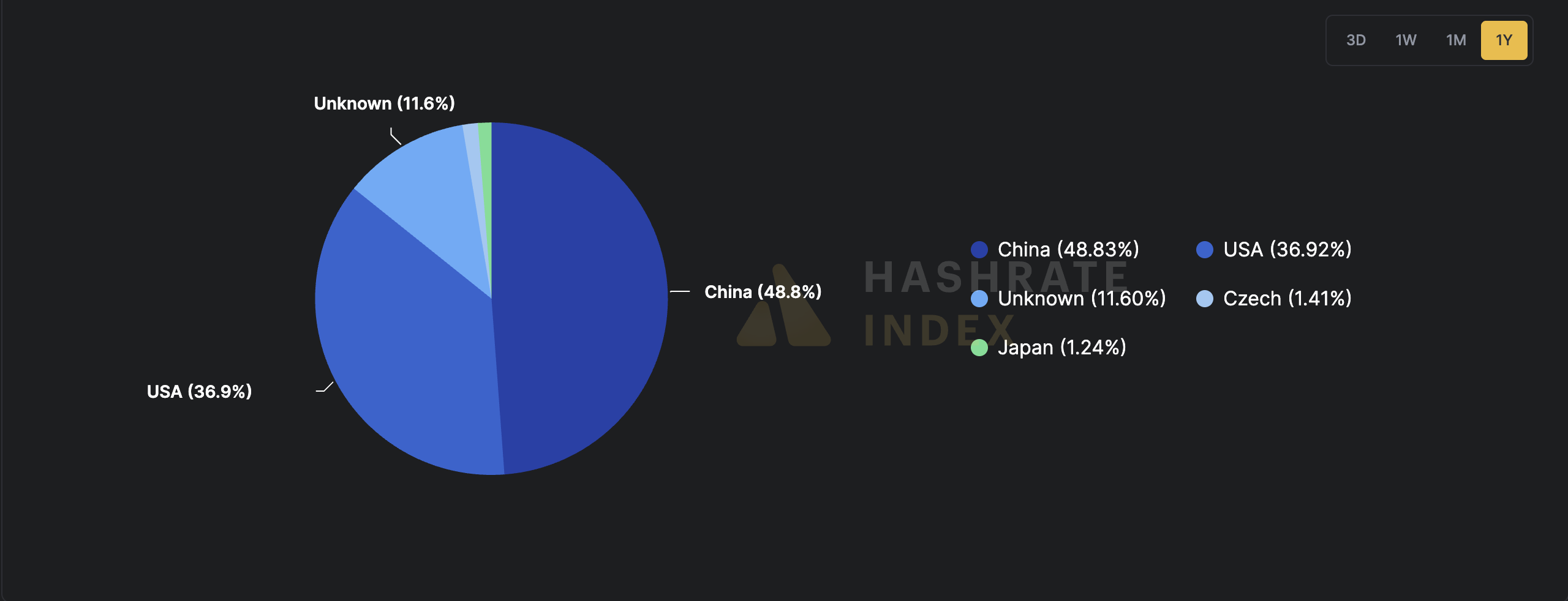
The tariffs could also lower mining hardware prices outside the US, leaving US-based miners at a competitive disadvantage and eroding the United States’ share of global hashrate, the amount of computing power dedicated to securing crypto networks.
Losing hash power would undermine the Trump administration’s stated goal of transforming the US into the crypto capital of the world.
Magazine: Bitcoin mining industry ‘going to be dead in 2 years’: Bit Digital CEO
Disclaimer: The content of this article solely reflects the author's opinion and does not represent the platform in any capacity. This article is not intended to serve as a reference for making investment decisions.
You may also like
Credit panic hits AI trading: CoreWeave bond yields remain high, Nasdaq posts biggest weekly drop since late June
Concerns over the debt risk of AI infrastructure companies continue to rise. Yields on some CoreWeave bonds briefly exceeded 15% on Thursday and remained elevated on Friday. CoreWeave's stock price plunged another 12% on Friday, and the Nasdaq Composite Index fell about 4.5% for the week. Analysts point out that as capital costs rise to unbearable levels, companies will have no choice but to reduce their capital expenditures.
Philadelphia Semiconductor Index Experiences Longest Losing Streak Since 2008; Jensen Huang Responds Calmly: Short-term Fluctuations Won't Change AI's Long-term Growth Prospects
Despite recent sell-offs in AI-related stocks, Nvidia CEO Jensen Huang remains confident in the long-term prospects of the AI industry.
U.S. chip stocks drop for eight consecutive sessions! $2 trillion wiped out in market value, marking the longest losing streak since 2008
This week, the investment prospects of AI were questioned by the market. The Philadelphia Semiconductor Index fell by 11.4%, and the Nasdaq dropped more than 4% in a single week. CoreWeave's stock price fell over 25% during the week, and its bonds dropped to distressed levels, casting doubt on the high-yield debt financing model. Strategists warned that being overly bearish could lead to missing opportunities, while "Wood Sister" bucked the trend and increased her holdings of CoreWeave.
In August, overseas funds returned to the U.S. Treasury market; UK holdings surpassed $1 trillion for the first time; Japan and China continued to reduce holdings, with China’s U.S. Treasury holdings hitting the lowest level since 2008
According to a report by the U.S. Treasury Department, overseas investors made net purchases of $108.9 billion in U.S. Treasury bonds in August, reversing a two-month decline in holdings. Among the top ten countries and regions holding U.S. debt, only China and Japan reduced their holdings in August. Japan, the largest holder, saw its holdings drop for the fourth consecutive month, reaching a 22-month low in the same month it intervened in the foreign exchange market. China’s holdings declined for the third straight month, hitting new lows for two consecutive months not seen since 2008. The UK, the second-largest holder, posted historic highs for two consecutive months. Canada recorded the largest increase in August, up $38.3 billion, ranking fifth overall. Belgium had the second-largest increase, up $19.8 billion.

Crypto prices
More


