
Will Zcash (ZEC) Price Finally Retest $500 After Nearly 8 Years?

Zcash’s renewed rally and rising investor confidence position the privacy coin to challenge $500 for the first time in nearly a decade, though overbought signals hint at short-term volatility.
Zcash (ZEC) has been one of the top-performing privacy coins in recent weeks, fueled by renewed interest in decentralized privacy.
As market sentiment strengthens, ZEC’s momentum appears poised for a potential retest of $500 — a level not seen in more than 7 years and 9 months.
Zcash Investors Are Optimistic
Investor confidence in Zcash is reaching new highs, as reflected by the surge in weighted sentiment. The indicator shows overwhelmingly positive sentiment toward the privacy-focused altcoin, suggesting that investors are increasingly optimistic about its near-term performance.
As investors seek exposure to privacy coins amid regulatory uncertainty surrounding other crypto sectors, Zcash has emerged as a clear beneficiary. The consistent inflows and optimism seen indicate that ZEC could continue to enjoy upward pressure in the short term.
Want more token insights like this? Sign up for Editor Harsh Notariya’s Daily Crypto Newsletter.
 ZEC Weighted Sentiment. Source:
From a technical standpoint, Zcash’s macro momentum also supports this bullish narrative. The Chaikin Money Flow (CMF) indicator shows consistent inflows, confirming that investor interest remains strong. The indicator, however, is approaching the overbought threshold between 20.0 and 25.0, signaling that the market could be nearing a saturation point.
Typically, ZEC has historically shown a tendency for reversals when the CMF crosses this level. This suggests that while bullish conditions remain intact for now, a short-term correction could follow once ZEC approaches the key $500 psychological resistance.
 ZEC CMF. Source:
ZEC Price Aims At Breaking Through Barriers
ZEC price is trading at $416 at the time of writing, just below the $450 resistance. The altcoin has surged sharply this month, maintaining strong support above the $400 mark. This level has served as a critical base for its current uptrend.
If momentum continues, Zcash could breach $450 and rally toward $500 for the first time in 7 years and 9 months, before facing profit-taking pressure. Reaching this mark would represent a major milestone, as it last tested these levels eight years ago.
 ZEC Price Analysis. Source:
However, if selling pressure builds early, ZEC could fail to break above $450 and slide below $400, potentially revisiting $344. This would invalidate the short-term bullish outlook and suggest a brief consolidation phase before the next upward attempt.
Disclaimer: The content of this article solely reflects the author's opinion and does not represent the platform in any capacity. This article is not intended to serve as a reference for making investment decisions.
You may also like
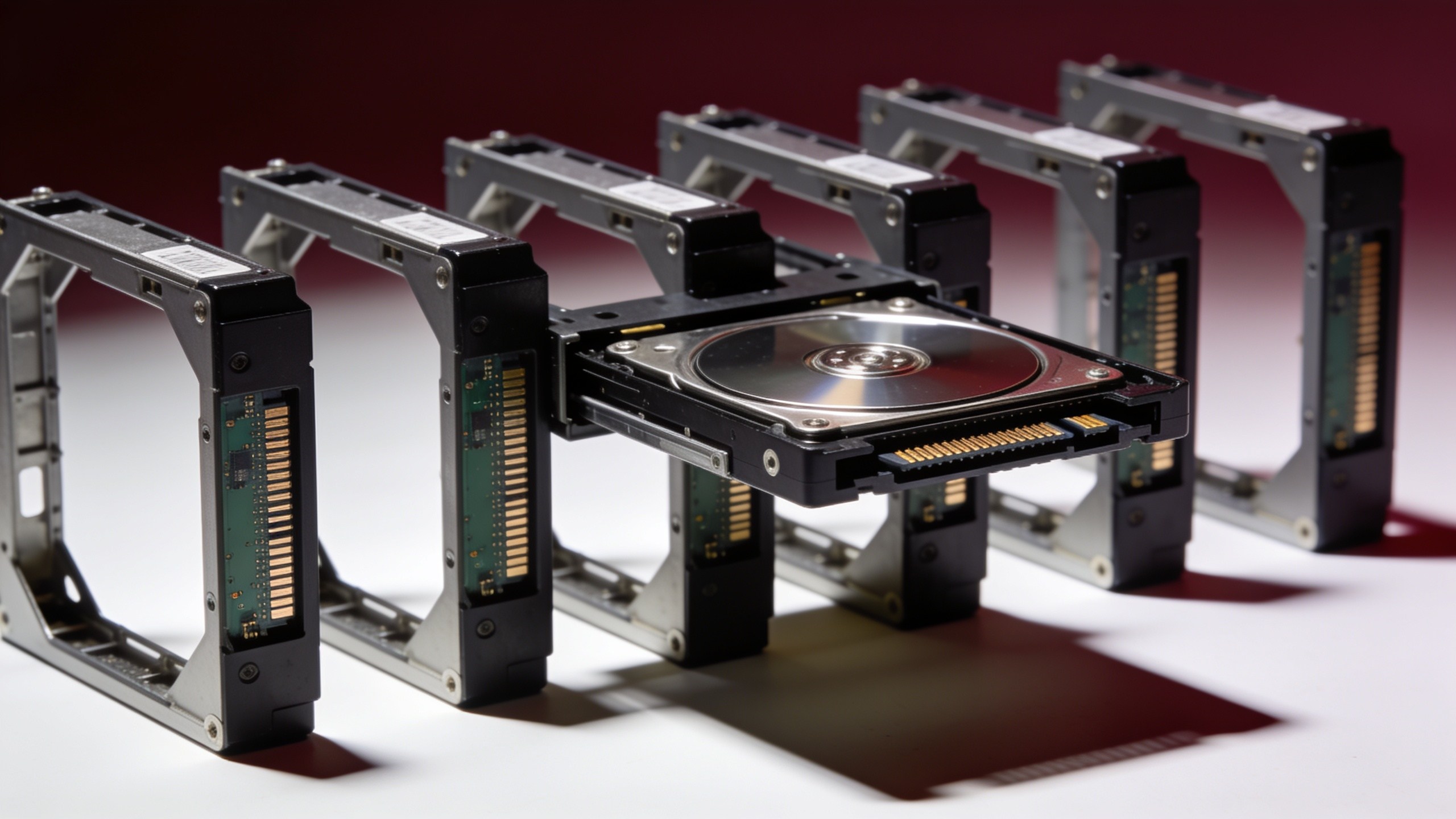
Evaporating nearly 40 trillion yen and with its market value down to one-third: Kioxia falls from Japan's number one, AI storage narrative faces double backlash
The main pressure comes from two fronts: the return on capital expenditure in AI is being questioned, compounded by the accelerated expansion of Chinese manufacturers, impacting global NAND price expectations. Further downside risks are amplified by Bain Capital's reduction of its holdings and high retail leverage positions. The earnings report at the end of October will serve as a critical validation point, but analysts are still projecting an expected return of 118%.
Amp Price Prediction: AMP Rallies 29% in a Week as Strong Momentum Meets Selling Pressure

US Stocks Last Week: Institutions Set Record for "Selling", Retail Investors Set Record for "Buying the Dip"
Last week, hedge funds recorded the largest net sell-off in the TMT sector in history, with net exposure dropping to the 0th percentile. However, at the same time, retail investors made record purchases through leveraged ETFs, with SOXL alone absorbing $7 billion. The issue is that the overall institutional exposure remains as high as 213.9%. In other words, fund managers opted for hedging rather than genuinely deleveraging and exiting the market.
Crypto prices
More


