
Alphabet commits to investing $15 billion in India's AI center

Alphabet is deepening its presence in the Indian market, indicating that its next phase of AI-driven growth may depend on whether the country can achieve faster networks and larger infrastructure.
At a high-profile AI summit in New Delhi, Alphabet CEO Sundar Pichai outlined the "US-India Connect" initiative, which aims to deploy new fiber optic lines connecting India with the United States and other locations in the Southern Hemisphere.
This initiative builds on Alphabet's existing undersea cable projects spanning the Pacific, Africa, and regions around Australia, and is intended to boost the speed and reliability of international connectivity as AI workloads expand.
While speaking in Delhi, Pichai also met with Indian Prime Minister Narendra Modi, describing the present moment as extraordinary and emphasizing that the company is investing in it.
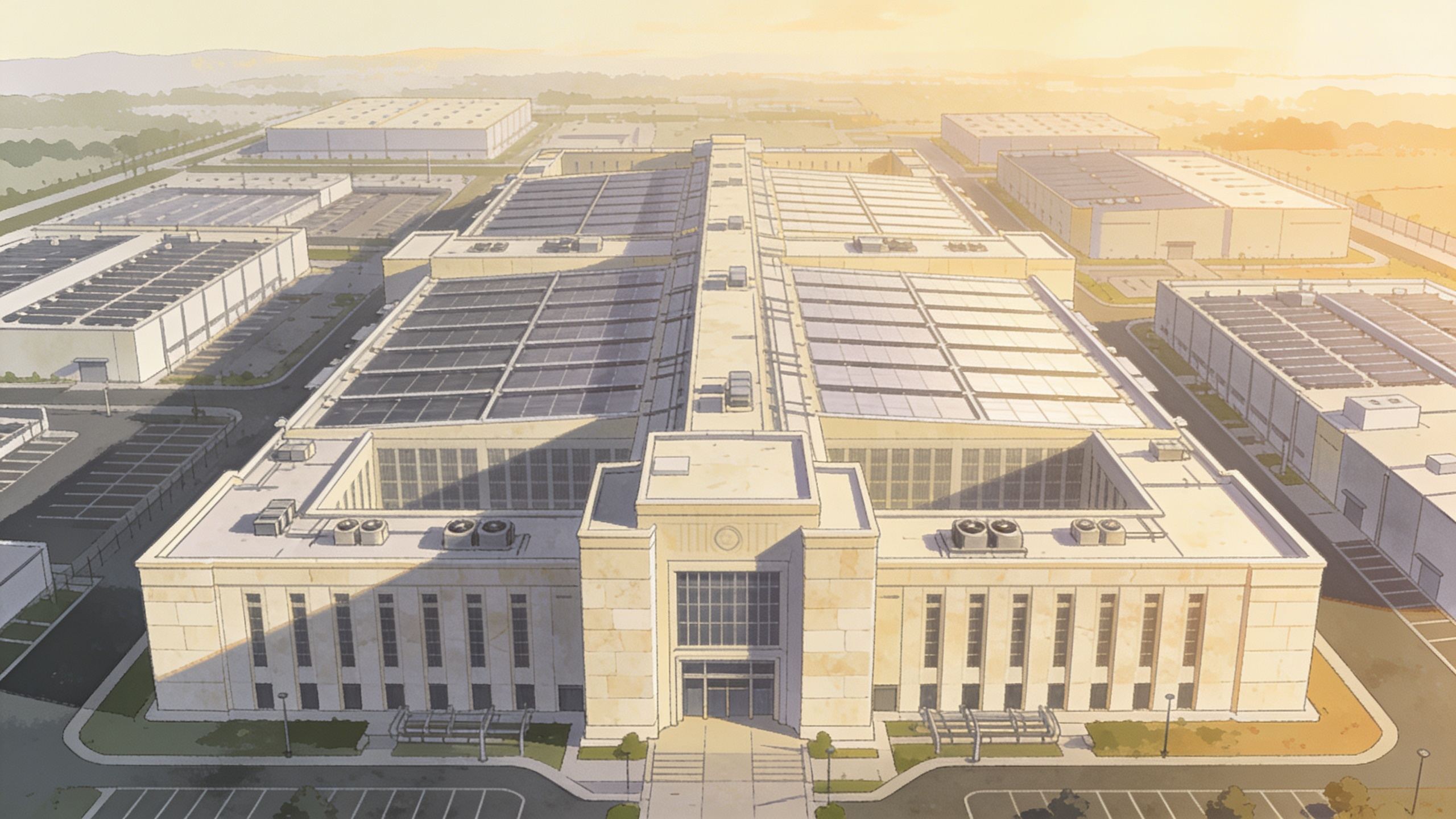
This connectivity initiative is being launched on top of substantial commitments already underway. Last year, Alphabet announced it would invest around $15 billion over the next five years to build an AI infrastructure hub in southern India, marking its largest bet in the country to date.
This move aligns with a broader surge in global spending; Alphabet stated earlier this month that capital expenditures this year alone could reach up to $185 billion. Taken together, these figures suggest that India could play a key role in Alphabet's long-term AI development, especially as worldwide demand for advanced computing and data capacity continues to rise.
Editor: Zhang Jun SF065
Disclaimer: The content of this article solely reflects the author's opinion and does not represent the platform in any capacity. This article is not intended to serve as a reference for making investment decisions.
You may also like
Explosive Growth of Nearly $1 Trillion in 90 Days! AI Off-Balance Sheet Liabilities Quietly Surpass $4.1 Trillion
The AI infrastructure boom is driving massive off-balance-sheet liabilities, with commitments from seven technology companies reaching $4.11 trillion, surging by nearly $1 trillion in around 90 days—far exceeding on-balance-sheet debt. Data center leases, procurement obligations, and guarantees continue to expand, but rating agencies have yet to provide consistent definitions. The market is starting to worry: if AI revenue growth fails to keep pace with the fulfillment of these commitments, huge expenditures may undermine companies' cash flow and valuations.

Weekly U.S. Equity Macro Outlook Key Points (Nov 2 – Nov 6)
Crypto prices
More


