

For years, digital platforms competed on transaction speed. Crypto networks advertised faster block times, payment providers promoted near-instant transfers, and fintech companies highlighted seamless user experiences.
However, differences between technical performance and user experience have become more noticeable. A platform can settle transactions in seconds while still forcing users to wait hours—or even days—to access their money.
This gap has created a new benchmark that matters far more to end users:
Table of Contents
- Understanding the Difference Between Transaction Speed and Time-to-Cash
- How Withdrawal Speed Influences User Trust Across Industries
- Why Faster Payment Infrastructure Does Not Guarantee Faster Withdrawals
- How Blockchain Technology Is Reshaping User Expectations
- Why Time-to-Cash Is Becoming a Competitive Differentiator
- Key Takeaways
Understanding the Difference Between Transaction Speed and Time-to-Cash
Transaction speed and Time-to-Cash are often treated as the same thing, but they measure different realities.
Transaction speed refers to how quickly a payment or transfer is recorded and settled. Time-to-Cash measures the complete user experience—from the moment a withdrawal is requested until the funds arrive and become usable.
This distinction is important because most users interact with outcomes rather than the underlying infrastructure. What they experience is the waiting period.
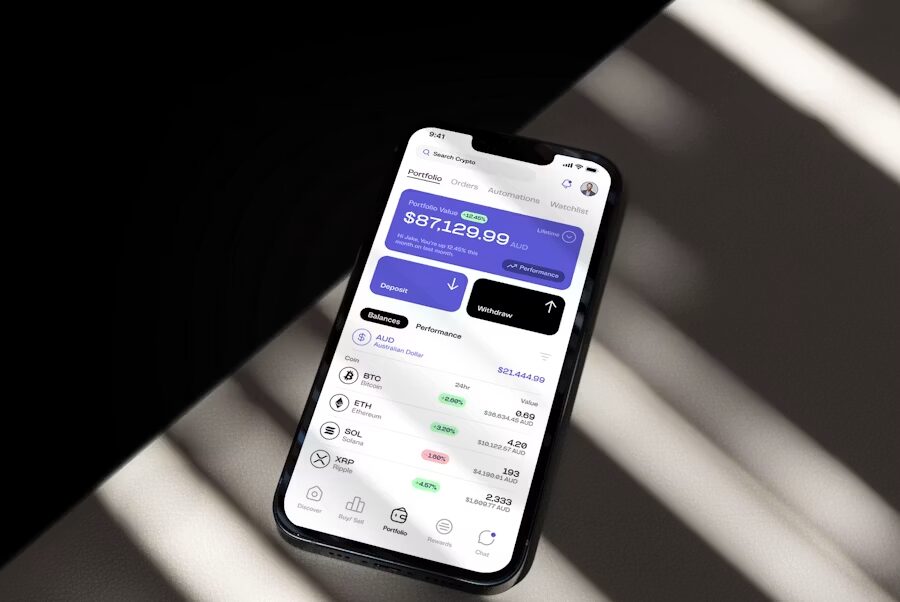
A trader withdrawing profits from an exchange, a freelancer receiving payment through a digital platform, or a customer cashing out from an online service all care about the same outcome: when the money actually becomes available.
How Withdrawal Speed Influences User Trust Across Industries
Several industries have observed that withdrawal speed can influence user trust and retention.
Crypto exchanges were among the first sectors where users began expecting faster access to funds. As blockchain settlement became more efficient, delays that once seemed acceptable started attracting criticism.
The same pattern is now visible across online trading platforms, digital payment apps, and entertainment services. Independent benchmarking resources have emerged to help users compare withdrawal performance across providers, including directories trackingcasinos with the quickest withdrawal timeframe. The popularity of these comparison tools suggests that withdrawal speed is becoming an important factor in platform selection and user retention.
In many cases, users compare platforms based on withdrawal efficiency alongside features, pricing, and user experience.
Why Faster Payment Infrastructure Does Not Guarantee Faster Withdrawals
One common misconception is that blockchain-based platforms should automatically provide instant withdrawals.
In practice, several factors can create delays even when the underlying payment rails operate around the clock.
- Compliance and identity verification requirements
- Fraud prevention and risk monitoring
- Liquidity management processes
- Manual approval workflows
- Banking partners operating on traditional schedules
Consider a platform using stablecoins for settlement. The blockchain transfer itself may take seconds, but internal reviews or treasury procedures can add significant waiting time. From a user perspective, operational delays may have a greater impact on satisfaction than underlying network speed.
How Blockchain Technology Is Reshaping User Expectations
The rise of stablecoins, Layer 2 networks, and 24/7 settlement environments has fundamentally changed what users consider acceptable.
Five years ago, waiting several business days for a withdrawal was often viewed as normal. Today, users regularly interact with systems capable of moving value at any time, regardless of weekends or banking hours.
This shift is particularly visible in ecosystems built around scalable networks and real-time settlement. CryptoNinjas recently covered howVisa expanded its stablecoin settlement network across additional blockchains, a useful example of how mainstream payment infrastructure is moving closer to always-on digital value transfer.
The result is a change in perception. Delays that once felt reasonable increasingly look like product friction.
Why Time-to-Cash Is Becoming a Competitive Differentiator
|
Metric
|
Past Priority
|
Current Priority
|
| Transaction speed | High | High |
| Settlement speed | High | High |
| User access to funds | Medium | Very High |
| Withdrawal transparency | Medium | Very High |
Many product teams are placing greater emphasis on user-facing performance metrics. Fast settlement remains important, but predictable and transparent withdrawals often have a greater impact on trust.
This trend aligns with broader developments in payment modernization. According to research and policy work from theBank for International Settlements (BIS), real-time payment systems continue to reshape expectations around speed, accessibility, and availability across financial services.
Key Takeaways
In the coming years, Time-to-Cash may become an increasingly important metric alongside transaction speed.
As blockchain infrastructure matures, technical performance is increasingly becoming a baseline expectation rather than a competitive differentiator. What users ultimately care about is simpler: how long it takes to turn a balance on a screen into usable money.
Platforms that reduce Time-to-Cash—and communicate that process clearly—are likely to earn a significant trust advantage in an environment where patience is becoming increasingly scarce.


