
The Indonesian Rupiah in the Quagmire

As the largest economy in Southeast Asia, Indonesia's Jakarta Composite Index has dropped 29% since the beginning of this year, and the Indonesian Rupiah has depreciated by more than 6% against the US dollar. Facing the so-called "triple slay" of stocks, bonds, and currency, Indonesia has experienced a "defense of the emerging markets" crisis in the past six months. In January this year, MSCI announced a freeze on all index rebalancing for Indonesia, no longer adding Indonesian stocks to the emerging markets index, and issued a heavy warning: there are fundamental investability flaws in the Indonesian market. If reforms are not made within a set period, Indonesia will be downgraded from the emerging markets to the frontier markets.
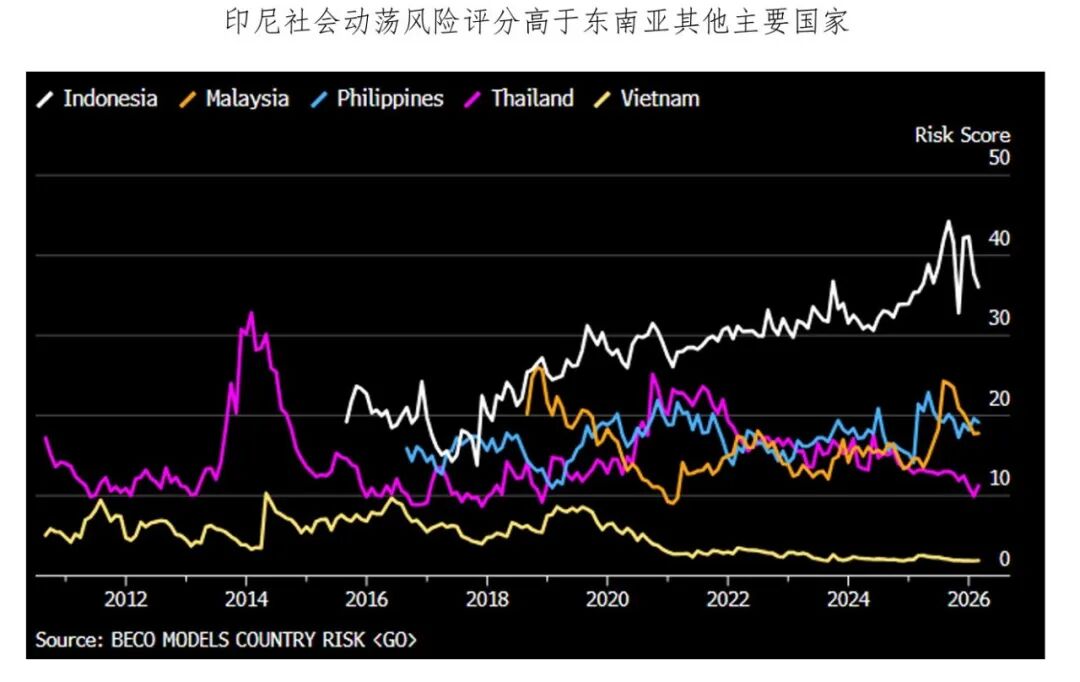
Last week, MSCI’s final decision was to maintain the rating but downgrade the “information flow” sub-rating to negative. Within less than a month, the Indonesian central bank raised rates by 100 basis points, leading to the Rupiah bouncing from historical lows. Is the crisis truly over?
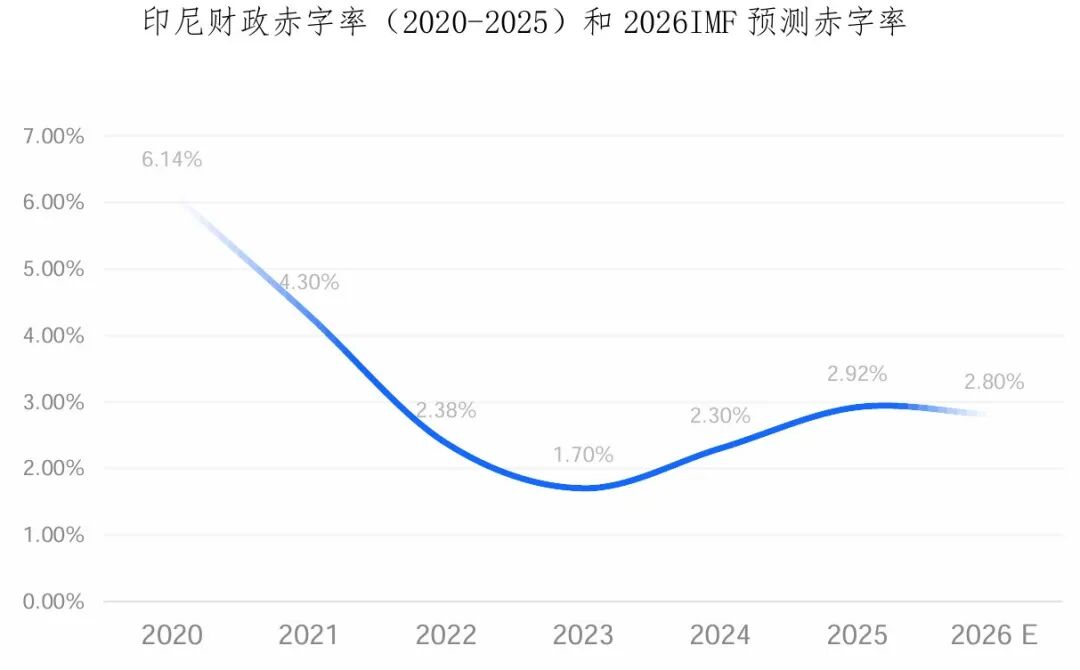
Fiscal deficit remains high, exchange rate under pressure.Indonesia’s “State Budget Law” strictly caps the fiscal deficit ratio at 3% and government debt ratio at 60%. In 2025, Indonesia’s fiscal deficit ratio is set to rise to a post-pandemic high (the cap was temporarily lifted during the pandemic), and following the US-Iran conflict, international oil prices rose, forcing an increase in fuel subsidies while simultaneously advancing nationwide nutrition programs and infrastructure. With persistently high fiscal expenditure and sluggish revenue growth, the market has doubts about the current balance and sustainability of Indonesia’s finances.
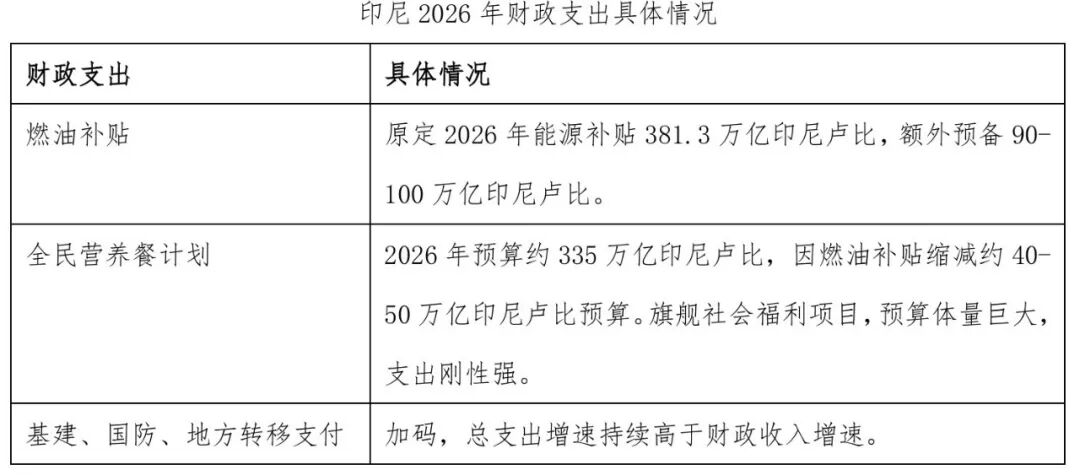
Net oil imports have weighed on the exchange rate since the US-Iran conflict.In comparison, both Brazil and Indonesia are major commodity-exporting emerging economies, yet their currencies have diverged. Looking at the trade structures, Brazil relies on deepwater oil technology, becoming a net exporter of crude oil, while Indonesia’s trade surplus is mainly due to coal, palm oil, and ferronickel alloys, but its oil and gas segment is in natural deficit and largely dependent on imports. The divergence between the two countries’ currencies has grown since oil prices rose amid the US-Iran conflict.
In the article "Asian Currency Defense War", we have already introduced how, since the beginning of this year, Bank Indonesia has directly intervened through foreign exchange reserves and implemented various macro-prudential and capital control measures. Combined with a series of interest rate hikes since May, these have allowed the Rupiah some respite, but the fundamental reasons for its weakness remain unchanged:
(1) Expansion of the fiscal deficit and persistently high deficit ratio mean that rate hikes and currency depreciation are likely to continue increasing fiscal pressures;
(2) The newly introduced strategic resource state-owned enterprise export monopoly policy (controlling coal, palm oil, titanium alloys, etc. through companies under the sovereign wealth fund as the sole legal export agents to foreign buyers) is intended to boost fiscal revenue but is controversial in the market and may hamper exports. Coupled with Indonesia’s long-standing net energy imports, trade uncertainties are on the rise.
Disclaimer: The content of this article solely reflects the author's opinion and does not represent the platform in any capacity. This article is not intended to serve as a reference for making investment decisions.
You may also like
Market Cap Surges by $1 Trillion in Nearly Four Months, 36x P/E Ratio Hits Highest Since 2008: Apple (AAPL.US) Earnings Leave No Room for Disappointment
Apple has reached its highest valuation since 2008 with a price-to-earnings ratio of 36, regaining the top spot globally with a market cap of $5.03 trillion. However, Wall Street remains cautious due to its high valuation and low growth, leaving little room for error in its earnings reports.

Quarterly refinancing statement due on Wednesday, U.S. Treasury market holds its breath for major signals
The U.S. Treasury will release its quarterly refinancing statement this Wednesday, and the market anticipates that this may be the largest adjustment to U.S. Treasury issuance guidance since the beginning of 2024. Citi even predicts that the Treasury might cut 20-year and 30-year bond issuances ahead of schedule, shifting to increase the supply of short- and medium-term bonds. However, with the proportion of Treasury bills already rising to 22%, the pressure from short-term financing and the demand for long-term borrowing are creating a dilemma for the adjustment of the issuance structure.

UBS Sees Buying Opportunity After Tech Stock Plunge: Market Underestimates AI Supercycle, Inflection Point for Returns May Come in 2027
UBS stated that after the recent AI pullback, the valuation of hyperscale data centers appears attractive, as the market expects the AI cycle to be shorter than it actually will be. Hyperscale data center operators may soon enter a phase where their significant investments in artificial intelligence begin to pay off. Gerry Fowler, UBS's Chief European Equity Strategist and Head of Derivatives, believes that a turning point may occur in 2027.

U.S. Stocks Preview | Three Major Index Futures Rise, WTI Crude Falls Below $100, Midterm Elections, Apple Earnings, and Nonfarm Payrolls All Coming This Week
On November 2 (Monday), before the US stock market opened, futures for the three major US stock indexes all rose.
Crypto prices
More


