
Bitcoin recovers from Strategy's BTC sale, funding rates hit 9%: Are bulls back?

Key takeaways:
- Bitcoin derivatives show resilience despite bearish pressure from Strategy’s Bitcoin sales.
- Onchain Bitcoin data points to sellers’ exhaustion, strengthening the $60,000 support level.
Bitcoin price quickly recovered from the selloff to $61,300 that followed Strategy’s Bitcoin sale announcement. Despite the negative impact on traders' sentiment, the additional $216 million cash position eased concerns about the company's ability to pay dividends and cover its debt. Does the quick recovery suggest that Bitcoin bulls back in control?
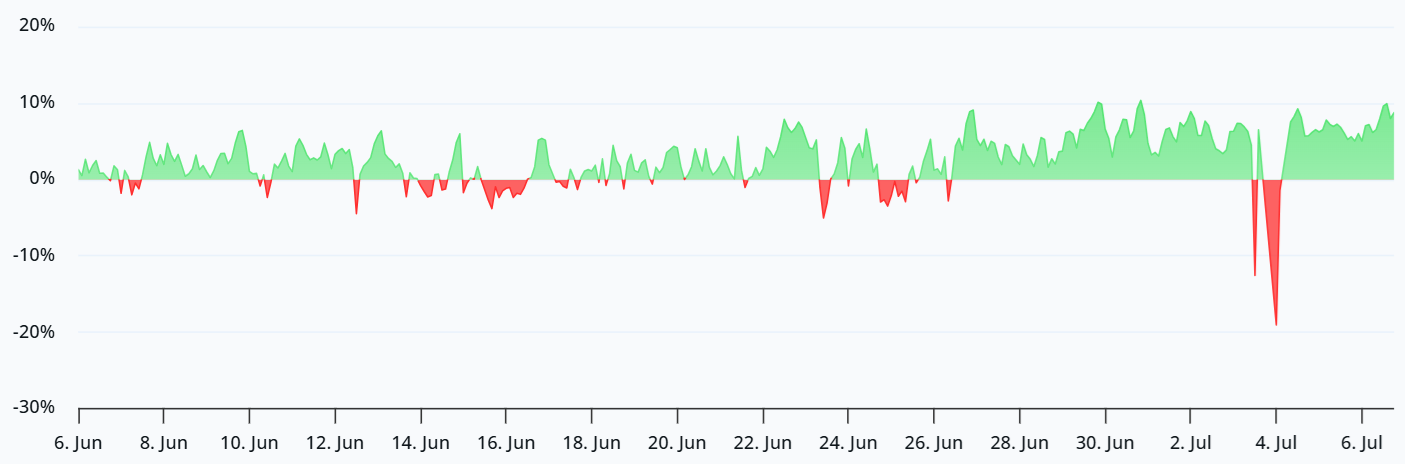
Bitcoin perpetual futures annualized funding rate. Source: Laevitas
The Bitcoin perpetual futures annualized funding rate jumped to 9% on Monday, indicating balanced demand between bullish and bearish leverage. While far from displaying conviction, the indicator distanced itself from the bearish momentum on Saturday marked by negative funding rates. But unlike the futures markets, Bitcoin options signaled minor stress on Monday.
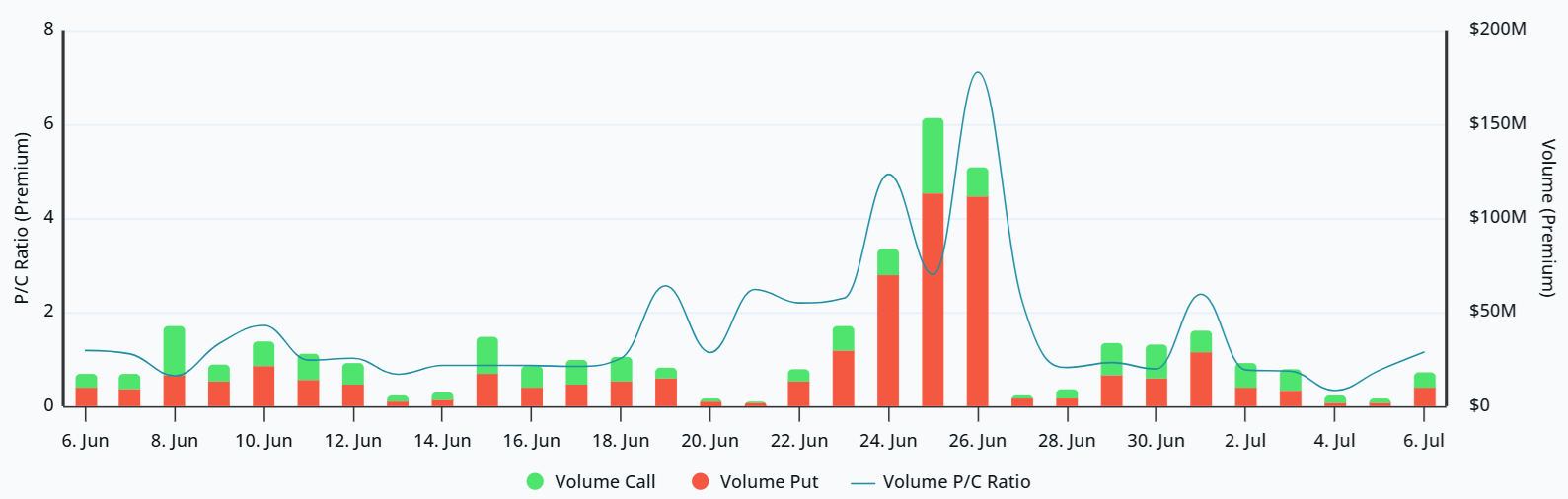
Bitcoin options premium put-to-call ratio at Deribit. Source: Laevitas
The put (sell) options premium at Deribit outpaced the equivalent call (buy) instruments on Monday, reverting the trend from Thursday and Friday. Typically, periods of stress can easily push the indicator above 2 times, hence the current 1.15 level remains under the neutral range. Bitcoin futures and options displayed resilience, although the bounce to $63,500 was unable to instill bullishness.
Bitcoin ETF flows reversal and long-term holders conviction favor $65,000 rally
Bitcoin bears might have underestimated the relevance of the $223 million net inflows into US-listed spot Bitcoin exchange-traded funds (ETFs) on Friday, the first after 10 consecutive outflows. The record-high $4.51 billion net outflows in June negatively impacted trader sentiment.
Still, the sell pressure will eventually subside, and the potential reversal in ETF flows could be enough to instill bullishness in Bitcoin derivatives markets.
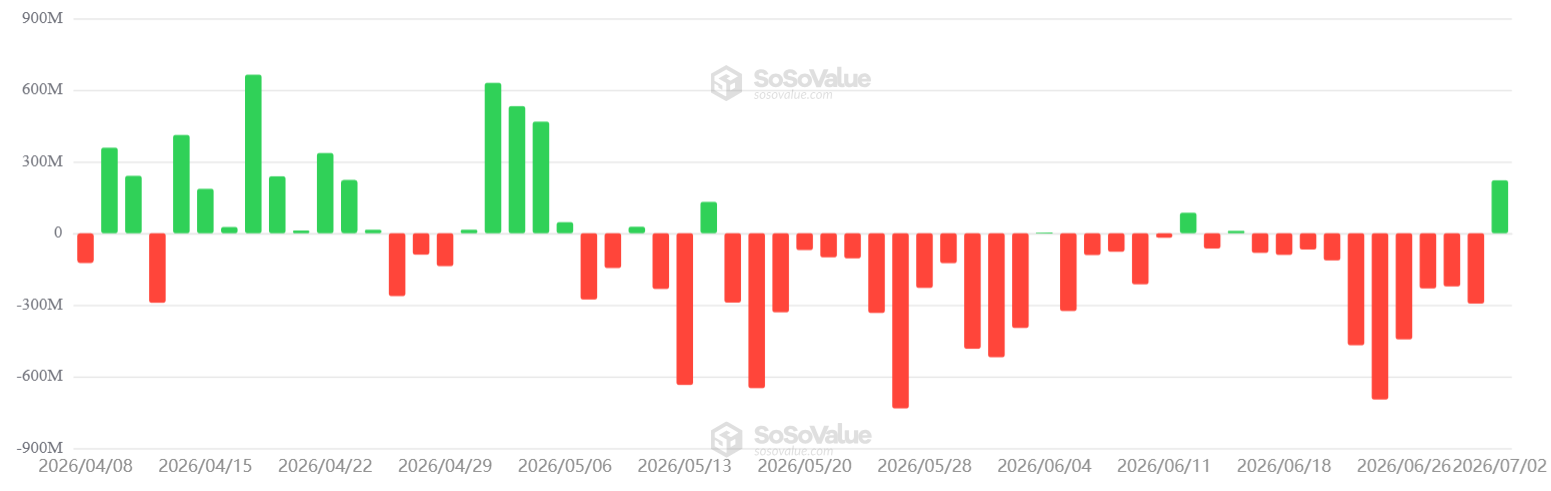
US-listed spot Bitcoin ETFs daily net flows, USD. Source: SoSoValue
Part of the recent bearishness can be pinned to the record drawdown in Strategy preferred perpetual equity Stretch (STRC US), which offers holders an attractive 12% yield. However, new stock issuance can occur only at the fixed $100 price; hence, the company currently has fewer instruments available to support the dividend payout.
Strategy holds sufficient cash reserves to cover 17 months of dividends; thus, the urgency of additional Bitcoin sales is debatable.
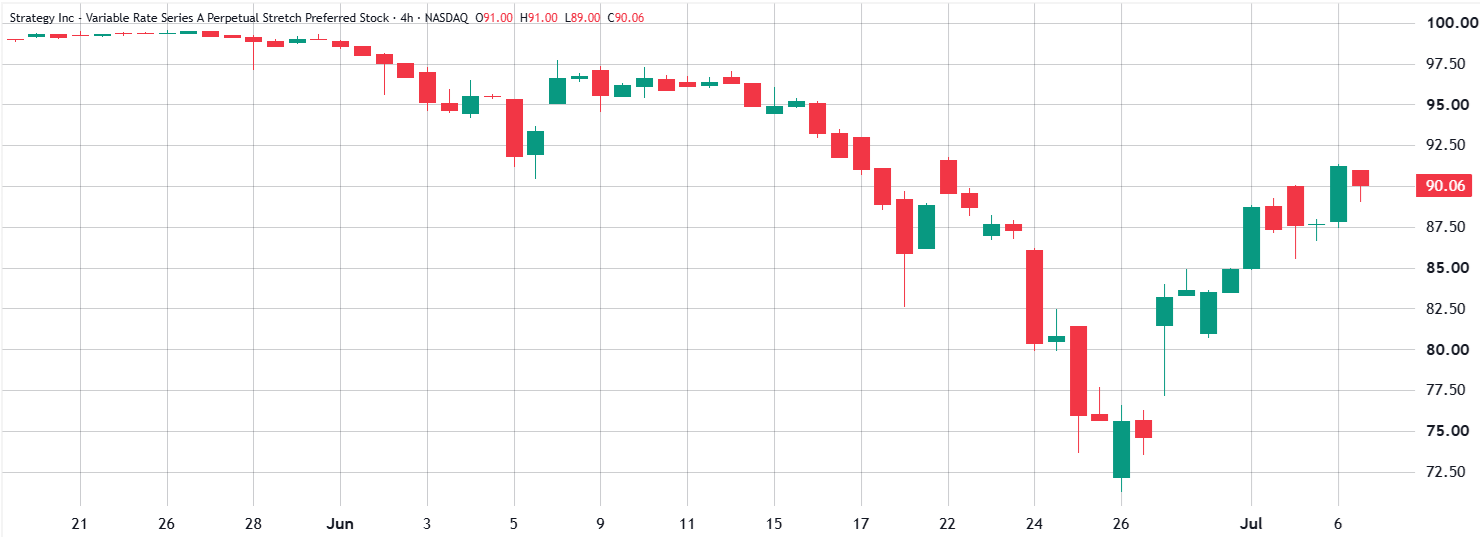
Strategy preferred perpetual equity Stretch (STRC US). Source: TradingView
Regardless of Strategy’s extremely low 8% debt leverage, Bitcoin bears have the upper hand as the company endures $8 billion in unrealized losses from its Bitcoin purchases. Bitcoin bulls' biggest hopes rely on long-term holders' conviction and onchain data pointing to selling exhaustion, strengthening the $60,000 support level.
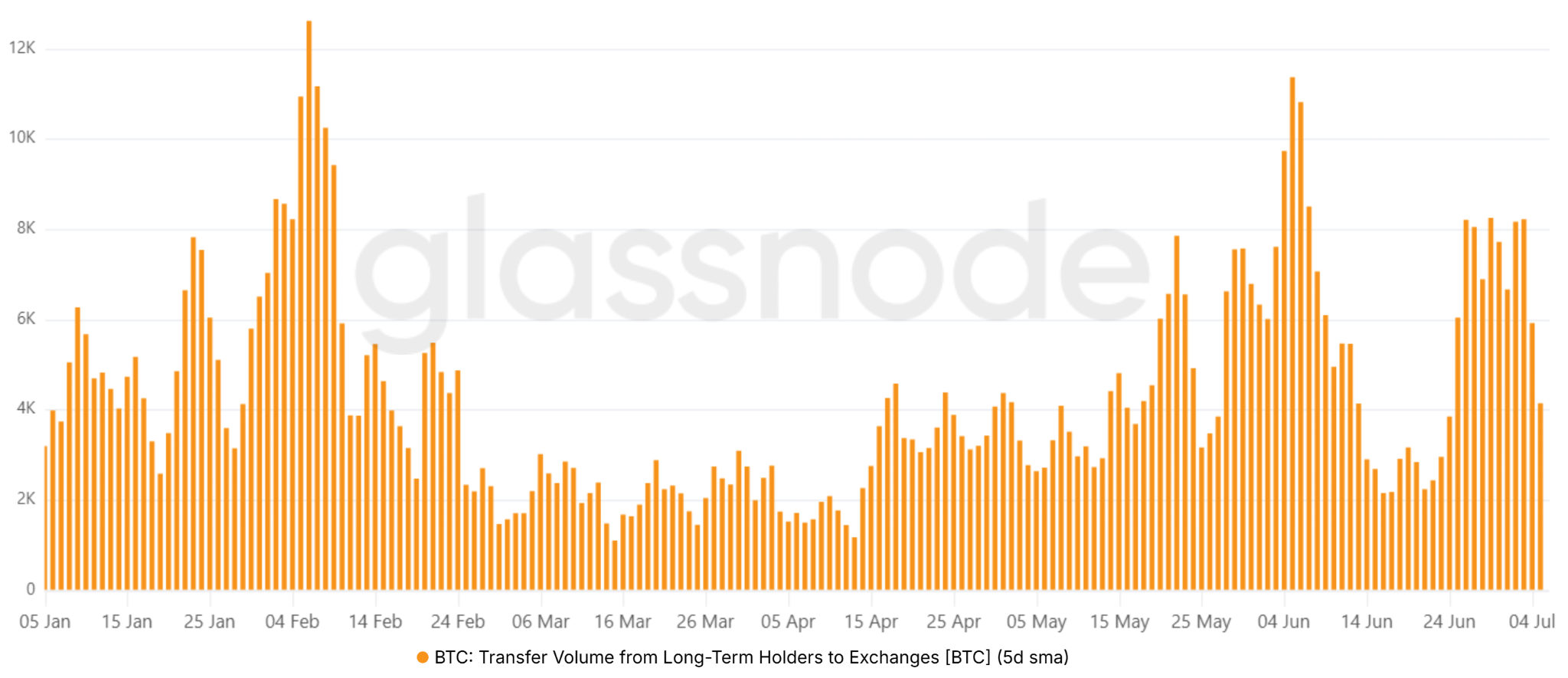
Bitcoin transfers from long-term holders to exchanges, BTC. Source: Glassnode
Transfers from long-term holders to exchanges are down to 4,130 BTC per day on average, from 8,040 BTC one week prior. Nonetheless, unless the spot Bitcoin ETFs exhibit a sequence of relevant net inflows, derivatives traders will likely remain skeptical of sustained bullish momentum, reducing the odds of a sustained rally above $65,000.
Presently, Strategy’s huge unrealized losses and skepticism in Bitcoin derivatives point to further pressure from bears.
Disclaimer: The content of this article solely reflects the author's opinion and does not represent the platform in any capacity. This article is not intended to serve as a reference for making investment decisions.
You may also like
Despite falling oil prices and dovish comments from Fed officials, US Treasury yields continue to rise
The wave of US Treasury sell-offs continues to spread, with the 30-year yield reaching a 24-year high of 5.621% and the 10-year yield rising to its highest level since 2002—oil price declines and dovish signals have both failed, and long-term rates remain unaffected. High yields are reshaping the structure of US equities; as the AI narrative becomes the market’s final pillar, any cracks could trigger a chain reaction of turbulence.
Morgan Stanley trading desk, dubbed the "most accurate in the past two years," turns bullish
The supporting logic encompasses five major pillars: unexpected macro trends, consumer resilience, low profit expectations, stabilized yields, and technical improvements. Since the previous shift on August 31, the Nasdaq 100 long and Russell 2000 short paired trades have accumulated gains of over 8%. This latest "bullish reversal" is even more convincing. Strategically, technology remains the core long position, but the hedging tool has shifted from shorting RTY to derivatives. Meanwhile, the risk of long-term interest rate hikes still persists.

Four major favorable factors emerge, international oil prices respond by falling
Crypto prices
More


