coinpedia.org
Japan just flashed one of its biggest warning signs in decades, one that could be enough to trigger the next global market crash. Tthe country’s 10-year government bond yield has climbed to 2.84%, its highest level in more than 30 years. And here’s why it’s dangerous.
Despite this, the Bitcoin price recovered from the recent sell-off, now trading around $63,231, seeing a 7% jump in a week.
Japan’s 10Y – 20Y Bond Market Suddenly Under Pressure
Japan has kept interest rates close to zero for decades, allowing the government to borrow money at very low costs even as its debt continued to grow.
Now, that is starting to change.
Over the past year, Japan’s 10-year government bond yield has risen by 137 basis points, with another sharp increase in recent weeks.
At the same time, Japan’s latest 20-year bond auction saw its weakest demand. Why? Because investors are buying fewer long-term government bonds. Even Japanese private banks prefer buying short-term bonds instead of 10-year or 20-year bonds.
But the Japanese government continues issuing more long-term bonds.
Therefore, the 20-year bond yield has climbed to its highest level in 30 years, while the Japanese yen remains near a 40-year low against the U.S. dollar.
Biggest Buyer Not Buying More Japanese Bonds
For years, the BOJ bought huge amounts of government bonds to keep borrowing costs low. But now it is slowly reducing those purchases.
BOJ was the biggest buyer of Japanese bonds, but now it’s stepping back while the government prepares to issue even more long-term bonds.
And this is raising the yields naturally.
How Will This Trigger A Global Market Crash?
Why, this isn’t just Japan’s problem, and how it could trigger a global market crash. For years, investors borrowed cheap Japanese yen because interest rates were close to zero.
They used that money to invest in U.S. stocks, bonds, real estate, Bitcoin, and other digital assets to earn higher returns. This strategy is known as the yen carry trade.
Today, the global yen carry trade is estimated to be worth nearly $1.2 trillion.
Now that Japanese bond yields are rising, many investors may start moving their money back to Japan instead of keeping it invested overseas.
The signs are already showing.
In June 2026, foreign investors sold nearly $19.2 billion (¥3.12 trillion) worth of Japanese government bonds, marking the largest monthly outflow since early 2023.
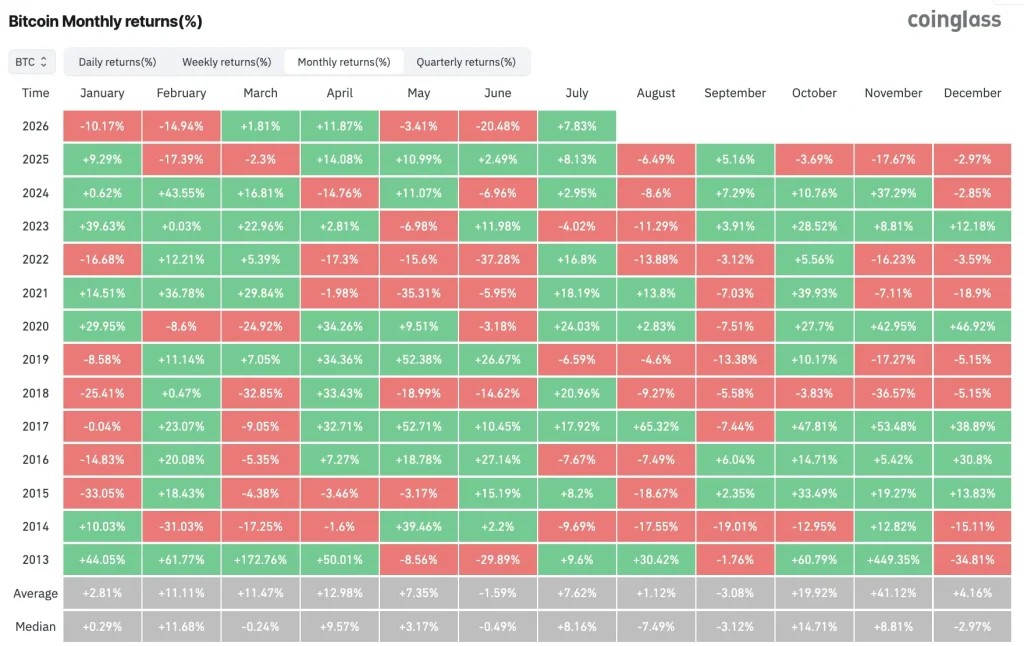
This impact can recently be seen in the crypto market, as June ended the month with a nearly 20.48% loss.