
The leading project for El Niño trading..

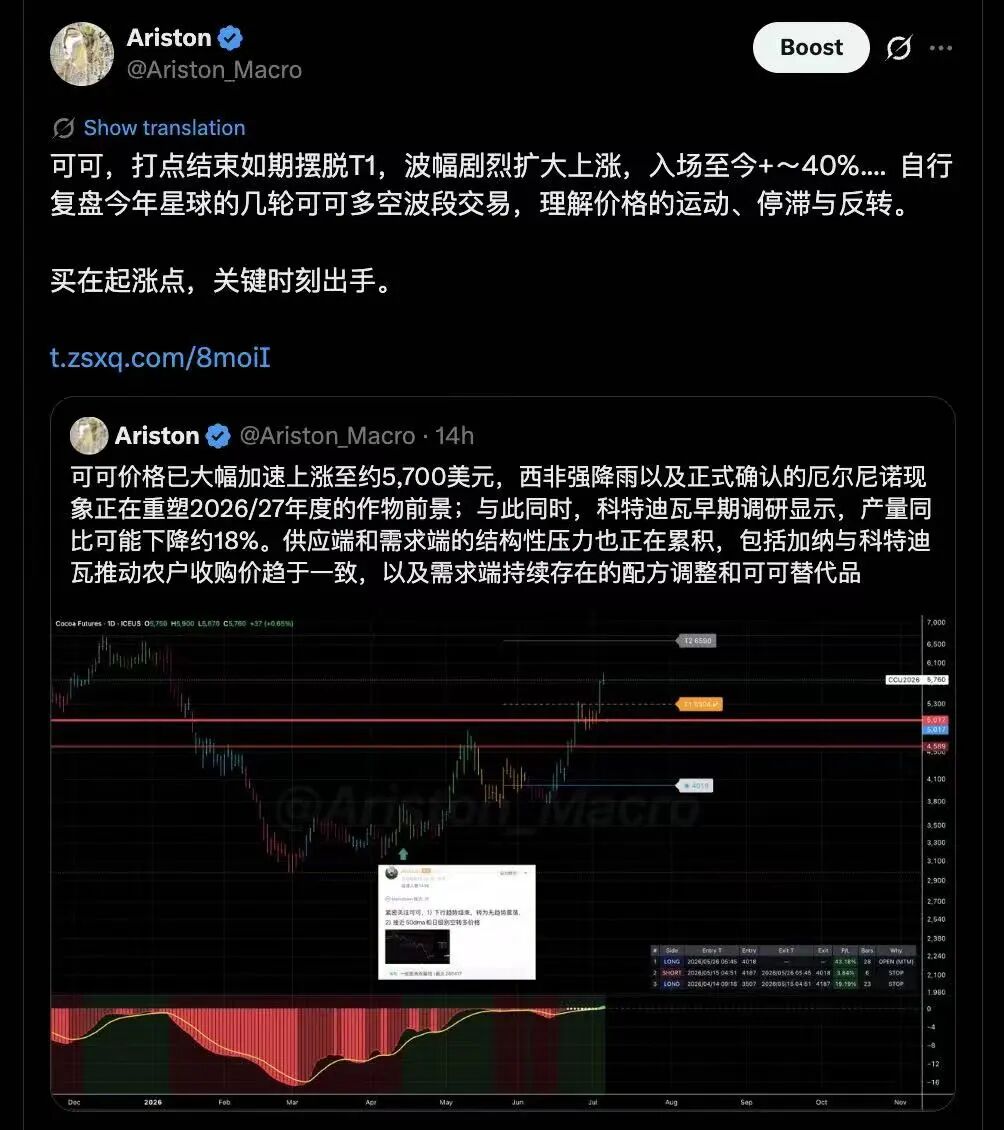
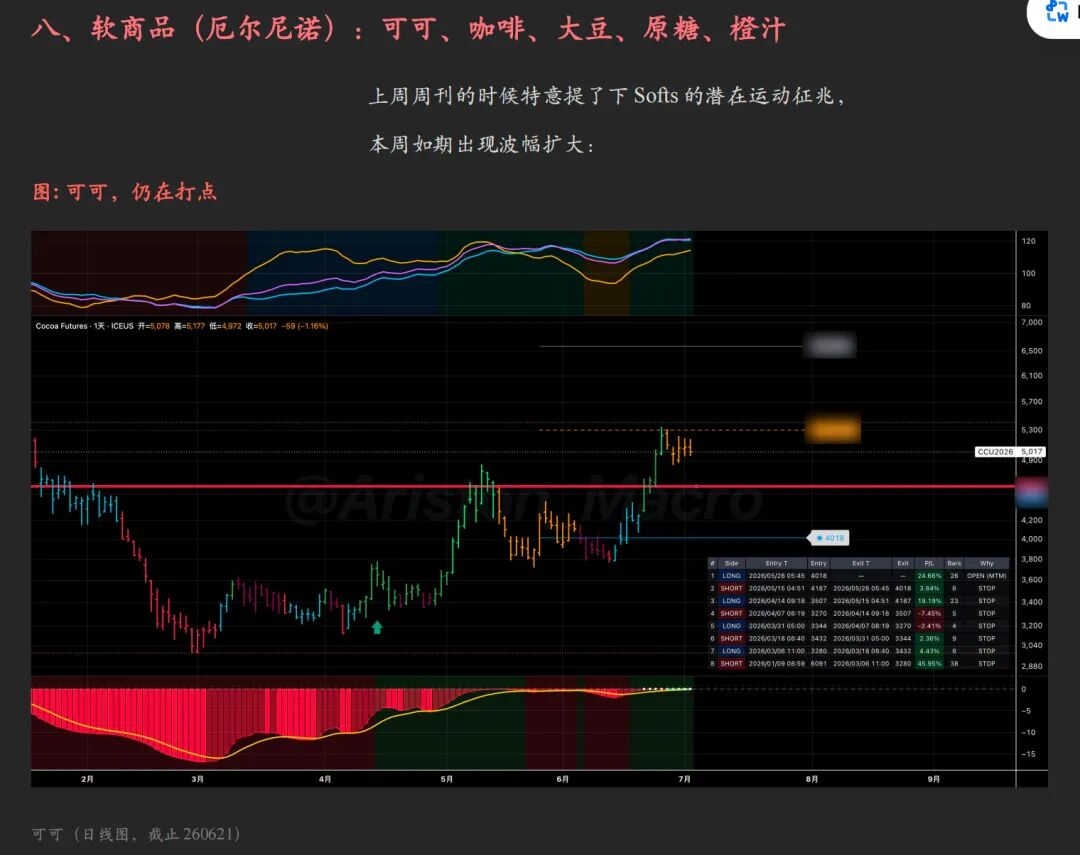
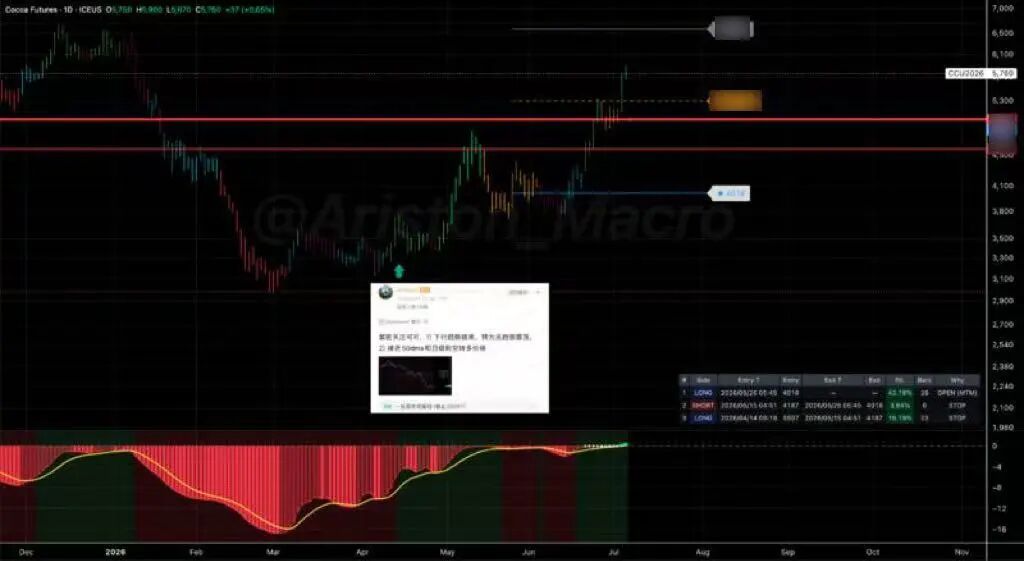
The most important macro implication is climate:By 1H27, global temperature may rise to 1.8-2.0ºC above pre-industrial levels. This level will intensify Asia’s electricity demand and stress due to hydroelectric shortages,and will also increase short-term volatility in temperature, rainfall, and logistics in the Americas.
Specifically, firstly, droughts in Asia and Australia, with rainfall patterns diverging in other regions, will bring shocks to soft commodities and regional food supply. Second, weak monsoons and falling reservoir levels will drive up local thermal power and LNG demand. Third, export restrictions and alternative trade pathways will amplify global price transmission. Fourth, surging cooling demand, coupled with hydroelectric shortages, will trigger regional energy price spikes. Fifth, while high global grain inventories may contain systemic shortages, they cannot prevent localized scarcities and price volatility.
South Asia and Southeast Asiahave already exhibited below-normal rainfall and high temperature risks, making soft commodities and food chains such as rice, sugar, palm oil, coffee, cotton, and pulses especially sensitive.Australiais also showing widespread insufficient rainfall across the country, increasing the risk of downward revisions in wheat and barley exports.
Latin America shows greater differentiation, with drought in the north affecting coffee, sugar, and staple crops;South Asia is the primary transmission zone for near-term global commodity risk. Current forecasts point to below-normal monsoon levels, with rainfall around 90% of long-term averages, and high probability of local deficits.
India’s position in rice, sugar, cotton, pulses and the global food trade means that any production shortfall can quickly translate into export restriction risk; once export bans or stock release policies are enacted, price shocks will spread from local supply and demand to the global trade chain.
Weather sensitivity will also impact logistics chains, for example, copper mining, ports, rail, and road transport, leading to a risk-based upward bias in metals.
...
Of course, weather and news ultimately come down to price action; as long as we pay attention to the price, that's what matters.
...

For detailed monitoring of technology sector rotations, see Planet.

...

Disclaimer: The content of this article solely reflects the author's opinion and does not represent the platform in any capacity. This article is not intended to serve as a reference for making investment decisions.
You may also like
VVV crypto falls 25% – Could Venice Token’s buy zone be near $20?
As the FSD experience leaps forward and Optimus rushes toward mass production, a $30 billion standby credit facility offers strong support! Tesla (TSLA.US) accelerates Elon Musk's "physical AI master plan"
Tesla has secured $30 billion in new loans and credit lines as the electric vehicle manufacturer is ramping up its investments in artificial intelligence and robotics technology.
Gold price tests trend support as U.S. Treasury yields pull back
30-year US Treasury yield hits highest level since 2002, sell-off may continue under seasonal pressure
On Tuesday, the US 30-year Treasury yield rose to 5.62%, reaching its highest level since 2002, while the 10-year yield briefly touched 5.29%. High oil prices intensifying inflation expectations, robust economic data supporting rate hike expectations, concerns about fiscal sustainability, and a surge in corporate bond supply have collectively driven this round of sell-off. Historical seasonality indicates that September and October are typically the weakest months for US Treasuries, and volatility risk remains high going forward.
Crypto prices
More


