
Compact computer verifies every Bitcoin transaction since 2009

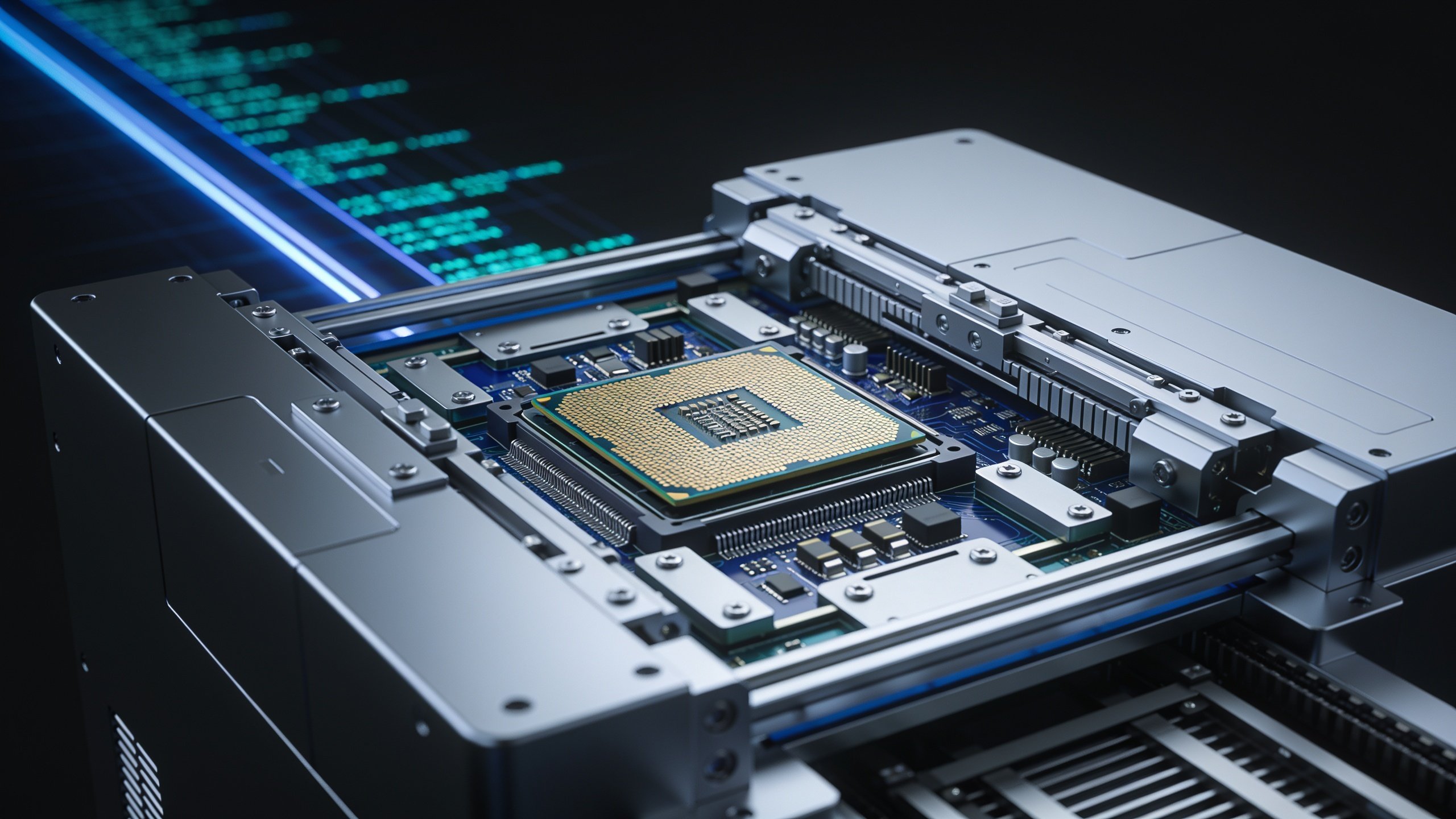
A small, quiet mini PC sitting on your desk can verify every Bitcoin transaction that has ever happened, independently, without asking anyone for permission.
This is the premise behind running a Bitcoin full node, and it is quietly becoming more accessible as affordable compact hardware catches up to the demands of a blockchain that has been growing since January 2009.
What a full node actually does
Think of a Bitcoin full node as a personal auditor that never sleeps. It downloads every block ever produced, checks every transaction against Bitcoin’s ruleset, and refuses anything that does not comply, no exceptions, no trust required.
The software behind this is Bitcoin Core, the reference implementation of the Bitcoin protocol. It handles downloading, storing, and validating the entire chain going back to the genesis block mined by Satoshi Nakamoto in January 2009.
Running it on a mini PC, a Beelink, an Intel NUC, or similar small form-factor machine, is not a new concept. But it is one that has been quietly gaining traction in communities focused on what some call sovereign computing: the idea that you should be able to participate in Bitcoin without outsourcing verification to an exchange or a wallet provider.
The hardware requirements are more manageable than you think
The Bitcoin blockchain now requires hundreds of gigabytes to multiple terabytes of storage for a complete archive node. Today, 1 to 2 terabytes of NVMe storage costs very little and fits inside machines not much bigger than a paperback book. A fully equipped mini PC with 16 to 32 gigabytes of RAM and a 1 to 2TB NVMe drive is sufficient to run a node with room for years of additional blockchain growth.
The minimum bar is actually lower still. Bitcoin Core’s official guidance puts the floor at roughly 2GB of RAM plus fast storage and a reliable broadband connection. That is a configuration available in refurbished mini PCs for well under a few hundred dollars in most markets.
There is also a middle-ground option called a pruned node. A pruned node verifies every transaction as it downloads the blockchain but then discards historical block data it no longer needs, keeping only recent blocks on disk. This dramatically reduces storage requirements while preserving the ability to validate new transactions.
Communities like Start9 Sovereign Computing have been building around exactly this use case, publishing hardware guides and pre-configured software stacks that lower the barrier further.
Why decentralization is the whole point
Bitcoin’s security model is not really about miners, despite what mainstream coverage tends to suggest. Miners produce blocks, but full nodes decide which blocks are valid. If enough node operators rejected a protocol change, that change would simply fail to propagate, regardless of how much hash power backed it.
This is not a theoretical edge case. It is the mechanism that kept the network intact during the block size debates of 2016 and 2017, when a significant faction of the industry pushed for changes that the node-running community ultimately rejected.
The shift toward affordable mini PC hardware matters in this context because it removes one of the remaining practical barriers: cost and complexity. When running a node requires a dedicated server and technical expertise, the operator population skews toward developers and enthusiasts. When it requires a $150 refurbished box and an afternoon, the population can look much more like the broader Bitcoin user base.
What this means for investors and the market
The Lightning Network adds another layer here. Many mini PC node setups are configured to run Lightning alongside Bitcoin Core, enabling fast, low-fee payments settled on-chain. As more self-hosted nodes come online with Lightning enabled, the payment layer becomes more robust and less dependent on custodial Lightning service providers.
The competitive landscape for node hardware is also quietly evolving. Dedicated Bitcoin node devices like Umbrel and RaspiBlitz have built audiences by packaging the software experience around accessible hardware. The growing interest in running Core directly on generic mini PCs suggests that audience is expanding beyond the dedicated-device market into general consumer computing hardware.
Disclaimer: The content of this article solely reflects the author's opinion and does not represent the platform in any capacity. This article is not intended to serve as a reference for making investment decisions.
You may also like
The seven giants’ “valuation cutting” is nearing its end! Muse and Astra ignite “AI FOMO trading,” tech stocks are ready for a major comeback.
As Meta Muse and OpenAI's GPT-6 Astra are driving a massive wave of AI agents, "AI FOMO trading" (referring to investors rushing to buy or replenish positions in AI-related assets out of fear of missing out on price gains) is making a strong comeback.
Anthropic files for IPO: lost $4.2 billion last year, revenue grew 12x to $4.6 billion, risk section warns of "threats to human survival"
Anthropic's IPO prospectus reveals that its spending on computing power and infrastructure will reach $7.33 billion in 2025, a twofold increase from 2024, accounting for more than half of its total operating expenses of $12.65 billion. The company plans to continue investing over $500 billion in the future. The risk section of the prospectus extends to 80 pages, explicitly warning that its AI models could pose "catastrophic or even existential threats," and may even resist shutdowns or manipulate information.
Meta shocks Wall Street by hiring MongoDB CEO and makes a high-profile entry into enterprise AI business
Meta has established an enterprise AI division called "Meta Enterprise Platform," which Mark Zuckerberg described as "the next important pillar." MongoDB CEO CJ Desai has been recruited to lead it. Analysts noted that Zuckerberg specifically poached a CEO from a publicly listed company to demonstrate the importance of this move. Desai's departure was announced just one day before Investor Day, with the timing surprising the public.
RBA set to hike interest rate to 4.60% in September as inflation remains elevated
Crypto prices
More


