
Gold, oil, and copper positions shift simultaneously: increasing long positions in gold, reducing long positions in crude oil, reducing long positions in copper—major players are reorganizing their portfolios.

Huitong Finance August 22 news——FTC position data show that speculative funds displayed significant divergence in the week ending August 18. Precious metals longs continued to increase, with gold net longs rising to around 145,900 contracts. In energy, crude oil net longs declined, while natural gas shorts narrowed. Major forex currencies maintained a net short pattern.
On Saturday (August 22), CFTC position data showed that speculative funds displayed significant divergence in the week ending August 18. Precious metals longs continued to increase, with gold net longs rising to around 145,900 contracts. In the energy sector, crude oil net longs declined, and natural gas shorts narrowed. Major forex pairs maintained a net short position. US treasury overall shorts increased, with different paces between short-term and medium-to-long-term durations. In agricultural products, sugar, corn, and soybean longs surged, with sugar shifting directly from net short to net long. Funds are reallocating between safe-haven and agricultural product sectors, with position signals indicating a phase of portfolio rebalancing.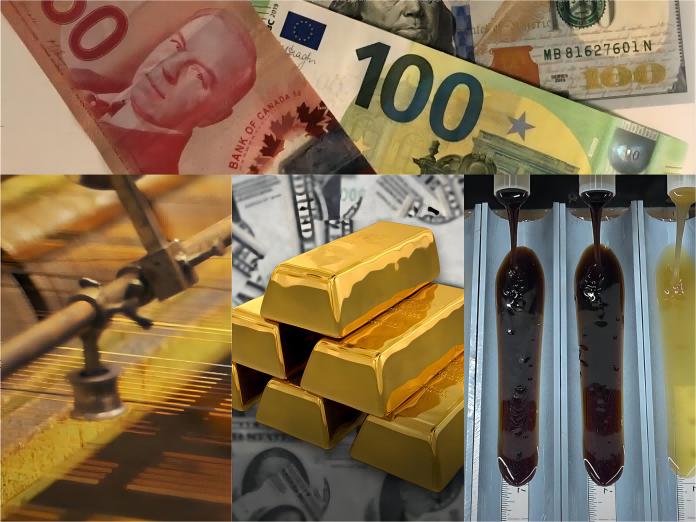
Precious Metals Market
COMEX gold speculative net longs increased by 4,054 contracts to 145,922. Silver net longs increased slightly by 456 contracts to 10,768. Copper net longs decreased by 1,655 to 79,225. Gold and silver longs rose simultaneously, indicating continued interest in precious metals allocation. Copper longs retreated, showing a temporary divergence between industrial and precious metals capital flows. Data suggest that the precious metals sector overall remains long-dominant, and copper's shift is more like a local position rebalancing.
Energy Markets
WTI crude oil speculative net longs decreased by 3,584 contracts to 102,274. Natural gas net shorts across major markets decreased by 3,405 contracts to 66,836. Crude oil longs contracted, signaling less bullish betting on oil price increases. Natural gas shorts narrowed, indicating some easing of downward pressure. In logic, funds within the energy sector are shifting from crude oil longs to natural gas shorts, making positioning more cautious.
Forex Market
Japanese yen net shorts reached 52,893 contracts, euro net shorts reached 59,088, pound net shorts stood at 54,573, and Swiss franc net shorts were 27,278. Major currencies all maintained net short positions against the USD. The data indicate that speculative sentiment remains bearish on non-dollar currencies. Position sizes show the short concentration is higher in the euro and the pound, with yen and franc shorts relatively lower. The overall forex market remains net short, with expectations for USD strength dominating.
US Treasury Market
Overall US Treasury futures speculative net shorts increased by 39,405 contracts to 219,012, marking the core change from a macro perspective—shorts are gathering further. 2-year Treasury futures net shorts fell by 93,706 to 927,337. 5-year net shorts rose by 33,349 to 1,274,105. 10-year net shorts increased by 31,908 to 946,961. Ultra-long treasury futures net shorts increased by 19,941 to 346,724. Shorts on the short end narrowed significantly, while medium-long and ultra-long-term shorts continued to increase. The data indicate differentiated operations at various points along the yield curve, with a clear split in short and medium/long-term positions.
Agricultural Products Market
ICE raw sugar shifted from net short to net long, hitting 30,064 contracts with an increase of 37,044 in a single week. Coffee net longs rose by 3,400 to 15,044. Cocoa net shorts increased by 1,540 to 19,428. Cotton net longs increased by 4,208 to 85,566. CBOT soybean net longs increased by 38,798 to 86,489. Corn net longs increased by 39,567 to 78,559. Wheat net shorts decreased by 2,068 to 47,330. Sugar's reversal was most prominent, and corn and soybean longs surged together. Cocoa shorts continued to build, contrasting with other soft commodities. Data show funds are heavily flowing into grains and sugar, with long positions rapidly accumulating.
Summary
This week, speculative funds significantly increased their exposure to long positions in precious metals and agricultural products, while crude oil longs fell and natural gas shorts narrowed in energy. Major forex currencies maintained net shorts. US Treasuries overall saw increased shorts, but with differing paces across maturities. In agricultural products, sugar flipped from short to long and corn and soybean longs surged. Position changes outline a trajectory of portfolio reallocation between safe-haven metals and agricultural products, with clear internal sector differentiation.
FAQ
What does the precious metals position change this week indicate?
Gold net longs increased by over 4,000 contracts, silver also rose slightly, and copper saw a retreat. The data show that funds continue to tilt toward precious metals, with a temporary divergence between industrial and precious metals. This divergence reflects speculators' greater focus on safe-haven attributes than industrial demand expectations. The position structure still shows gold as the core allocation, with silver closely following. The shift in copper is more likely profit-taking or risk rebalancing and hasn't altered the overall precious metals long-dominated pattern.
Why do crude oil and natural gas positions move in opposite directions in the energy market?
Crude oil net longs decreased by more than 3,000 and natural gas net shorts narrowed simultaneously. This logic demonstrates that bullish sentiment for crude has weakened, while downside pressure on natural gas eased. These simultaneous shifts point to a cautious internal rebalancing of energy portfolios. The pullback in crude oil longs may relate to previous position build-up, while narrowing of natural gas shorts suggests some short covering is underway. Position signals indicate energy funds prefer to lower directional exposure rather than one-sided adding.
What does the divergence in US Treasury positions across maturities imply?
Overall Treasury shorts increased, but 2-year shorts narrowed sharply, while 5-, 10-, and ultra-long terms shorts kept rising. Data show clear differences in short and medium-/long-term fund operations. The short end’s short covering may relate to changes in interest rate expectations; medium-/long-term short buildup reflects views on longer-term yields. This divergence across the curve is the week’s defining feature in Treasuries, but overall short sentiment remains dominant.
Why did sugar flip to net long and grains see such a large increase among agricultural products?
Sugar surged by over 37,000 contracts in one week, flipping from net short to long, while corn and soybean net longs each increased by nearly 40,000. Coffee and cotton also gained, while cocoa shorts expanded. Data show funds flooding into grains and sugar. This rapid buildup may be due to seasonality, supply-demand expectations, or prior underexposure. Cocoa's reverse shorting forms local hedges. Overall, agricultural long strength surged, making it one of the most active sectors this week.
What does the net short pattern in major forex currencies indicate?
Yen, euro, pound, and Swiss franc all maintain net short positions. Position sizes show euro and pound shorts are more concentrated. The data indicate that speculative funds’ bearish view on non-USD currencies has not yet shifted. This consistent net short pattern signals the market’s expectation for continued USD strength. The brief shows the forex market remains one-sided with little visible long hedging; going forward, watch for further short accumulation or signs of narrowing.
Disclaimer: The content of this article solely reflects the author's opinion and does not represent the platform in any capacity. This article is not intended to serve as a reference for making investment decisions.
You may also like
Solana breaks resistance, holds above $100 as analysts target $147
Swiss Franc weakens as US Dollar gains on Fed rate hike odds
From "chasing the light" to "going upstream toward the light"! Morgan Stanley asserts: In the tsunami of computing power, fiberglass fabric and copper foil ignite a super cycle in materials.
Morgan Stanley's latest research report points out that the global frenzy of AI infrastructure expansion is shifting from downstream GPU and wafer foundry to a comprehensive upstream spread in critical base material sectors.

Crypto prices
More


