
AI stocks’ fluctuations are determining the US dollar?

Morning FX
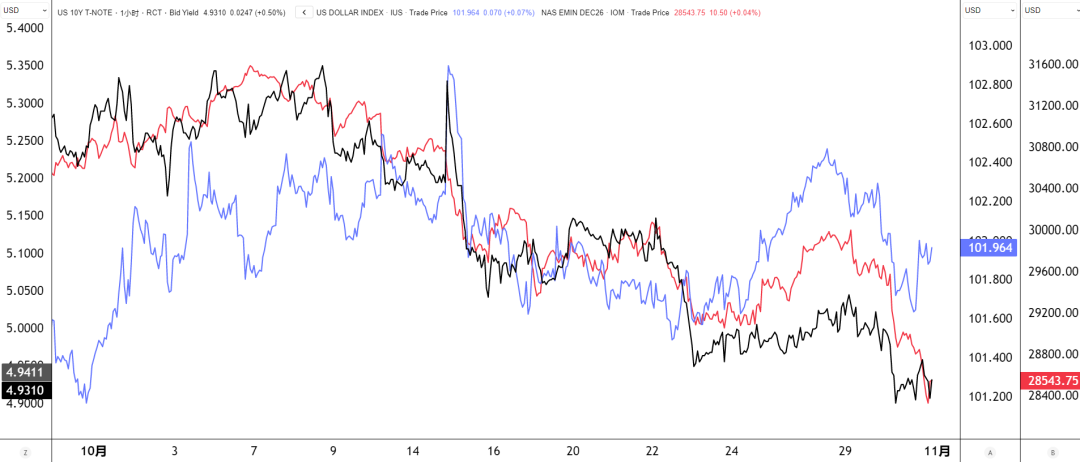
In the second half of October, an interesting phenomenon emerged in the market: when the Nasdaq fell, the US dollar did not show its typical safe-haven increase. Instead, it declined in sync with US Treasury yields, and the intraday charts show that all three moved almost identically.
Figure 1 — US Dollar Index (blue), 10-year US Treasury yield (black), and Nasdaq Futures (red) trends in October
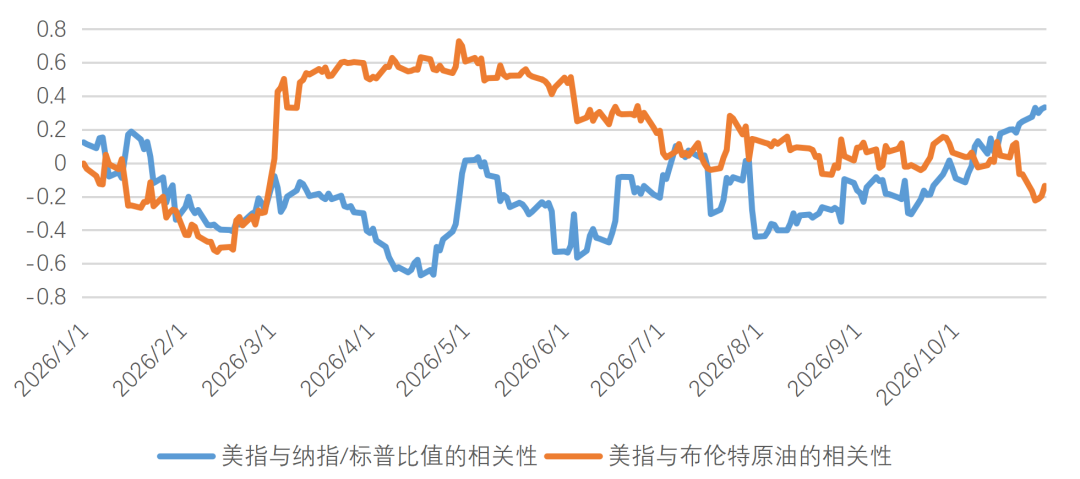
Looking back at the correlation between the US Dollar Index and oil prices, as well as AI stocks since the start of the year, it’s clear that the market’s core anchor has recently shifted from oil prices to AI stocks. In the second half of the year, the market has become less sensitive to oil price changes, and the correlation between the US Dollar Index and oil prices has significantly weakened. AI trends are becoming the new variable for US dollar pricing.
Figure 2 — Monthly rolling correlation between the US Dollar Index, AI stocks, and crude oil
A positive correlation between the US Dollar Index and US stocks is not common historically. A similar situation occurred during the internet investment boom at the end of the 20th century. At that time, the prosperity in tech investments boosted US economic growth expectations, stock valuations, and overseas capital inflows, pushing up US stocks, Treasury yields, and the dollar together. Conversely, when US tech assets suffered domestically triggered negative shocks, all three could decline at the same time—which mirrors the current market trend.
Figure 3 — US Dollar Index, US Treasury yields, and Nasdaq trends before and after the internet investment bubble
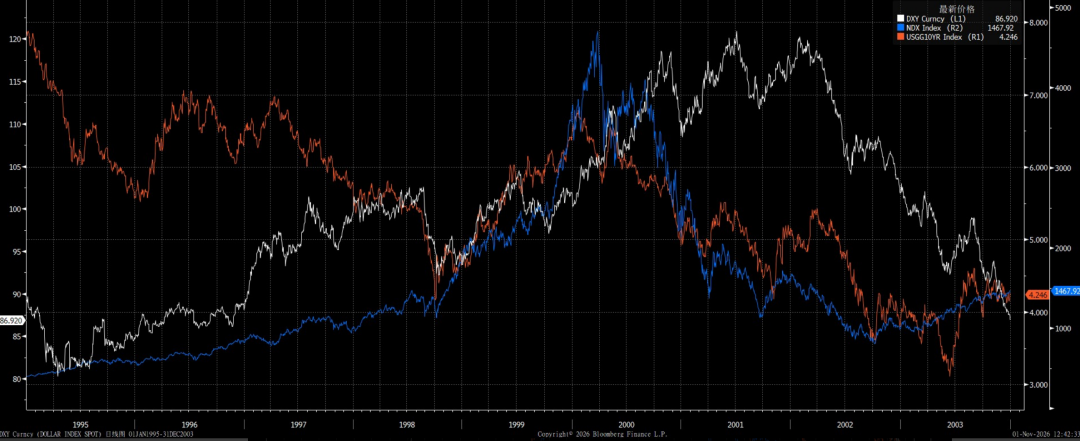
Will this lead to a trend reversal and sustained weakness in the US Dollar Index? Watch capital flows and hedging dynamics. In the early stage of the 2000 bubble burst, the dollar remained strong even as stocks fell, but started to weaken in 2002 as overseas allocation interest diminished. Therefore, if this round of AI stock declines further triggers a reassessment of the US growth advantage and asset returns, and slows overseas capital inflows and asset allocation adjustments, the US Dollar Index could face another wave of weakness. Additionally, similar to post-liberation market conditions, once the dollar and US stocks turn positively correlated, institutional investors may increase hedging ratios and reduce dollar asset exposure, which would further amplify dollar adjustment pressure.
Looking ahead to this week, the direct impact of the midterm elections on the FX market is expected to be relatively limited. The market will be paying more attention to potential policy changes following the election results and the evolution of the Iran conflict. Volatility in AI stocks will continue to set the market tone.
In terms of trading, a bullish view on the yen is preferred. The yen’s support comes not only from safe-haven demand due to the pullback in US AI stocks but also from domestic fundamentals in Japan. At last week’s BOJ rate meeting, one member advocated for further rate hikes, and the meeting confirmed that core inflation has reached about 2%—the first time since the inflation target was adopted in 2013—strengthening the market’s focus on normalization of Japanese monetary policy. In addition, GPIF’s potential portfolio rebalancing gives medium- to long-term room for yen funds to flow back.
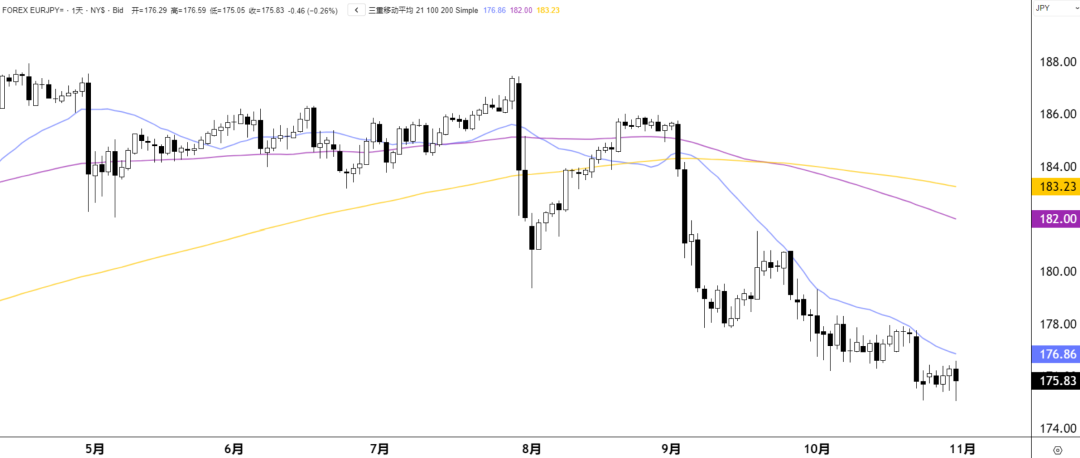
Strategically, consider selling USDJPY SPOT or RR above 158, or selling EURJPY at 176 to reflect a bearish view on the euro amid the shadow of French political uncertainty. Buying AUDJPY puts below market as a tail-risk hedge is also a good choice.
Figure 4 — EURJPY daily candlestick chart
Disclaimer: The content of this article solely reflects the author's opinion and does not represent the platform in any capacity. This article is not intended to serve as a reference for making investment decisions.
You may also like
Assets worth $5.55 million have been frozen, involving addresses related to an exchange hacker.

Dow Rebounds After Friday's Selloff; Oil Slides on Mideast Hopes -- WSJ

TotalEnergies says Iran war could accelerate energy transition

Crypto prices
More


