The BTC price is trading near $69,200, consolidating above a structurally significant demand zone amid renewed Middle East tensions that are catalyzing a broad risk-off rotation across global equities and commodities.
It came as US inflation data rolled in, holding steady at 2.4% year-on-year. However, this data was collected before oil spiked to $115 amid the Hormuz disruptions.
BREAKING: February CPI inflation was unchanged, at 2.4%, in-line with expectations of 2.4%.
Core CPI inflation was 2.5%, in-line with expectations of 2.5%.
Core CPI inflation before the Iran war was at its lowest in 5 years.
The market will now await March's data.
— The Kobeissi Letter (@KobeissiLetter)
In other words, markets are currently trading a CPI print that reflects a pre-conflict economy.
The real test for inflation will come in the March and April reports once the energy shock filters through.
With Bitcoin losing key support at $70,000 over the past 24 hours, investors are concerned that a deeper drop to the mid $60,000s is the next move.
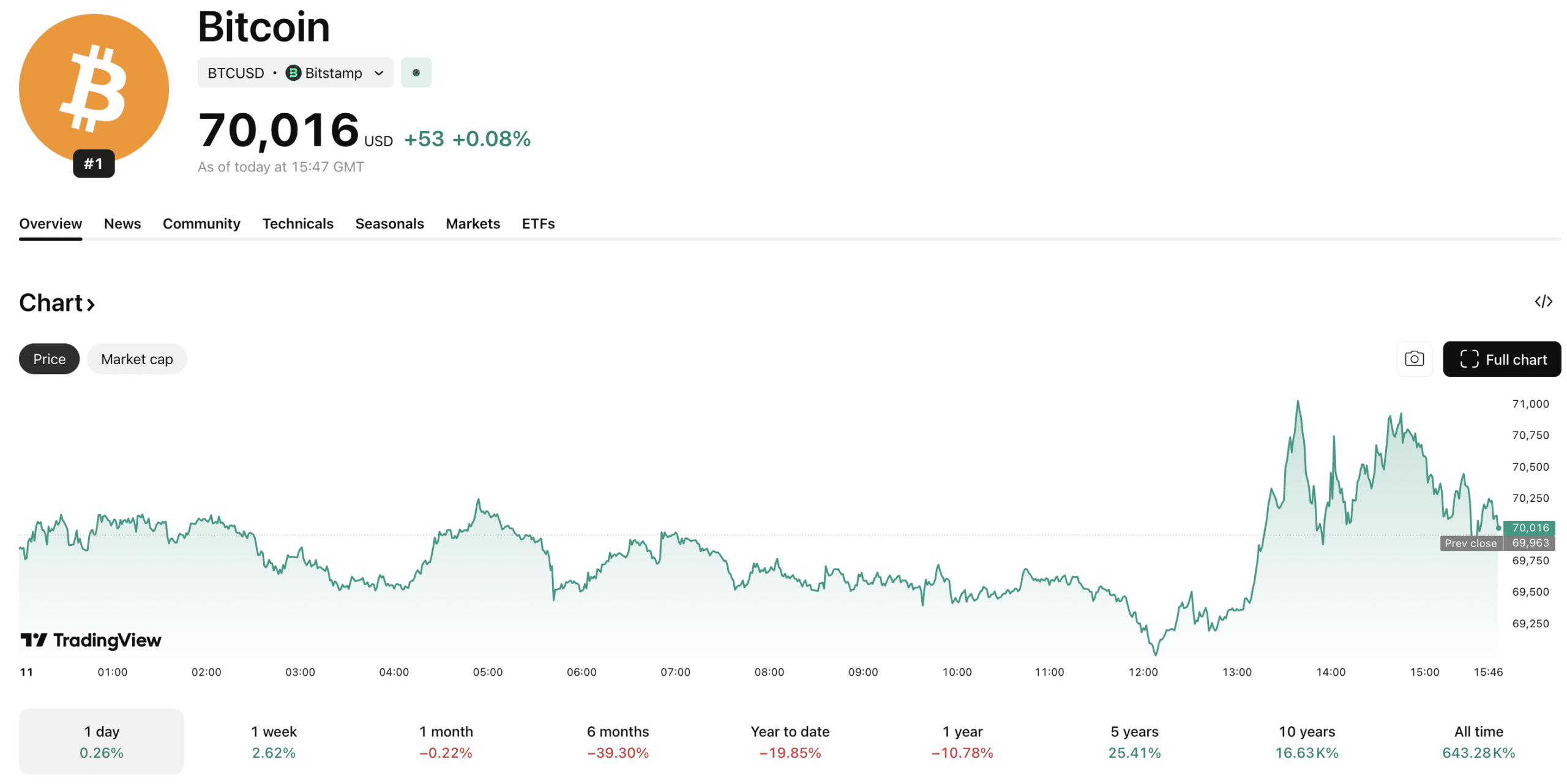
Geopolitical Risk and the Macro Transmission Mechanism: Oil, Yields, and Inflation Repricing
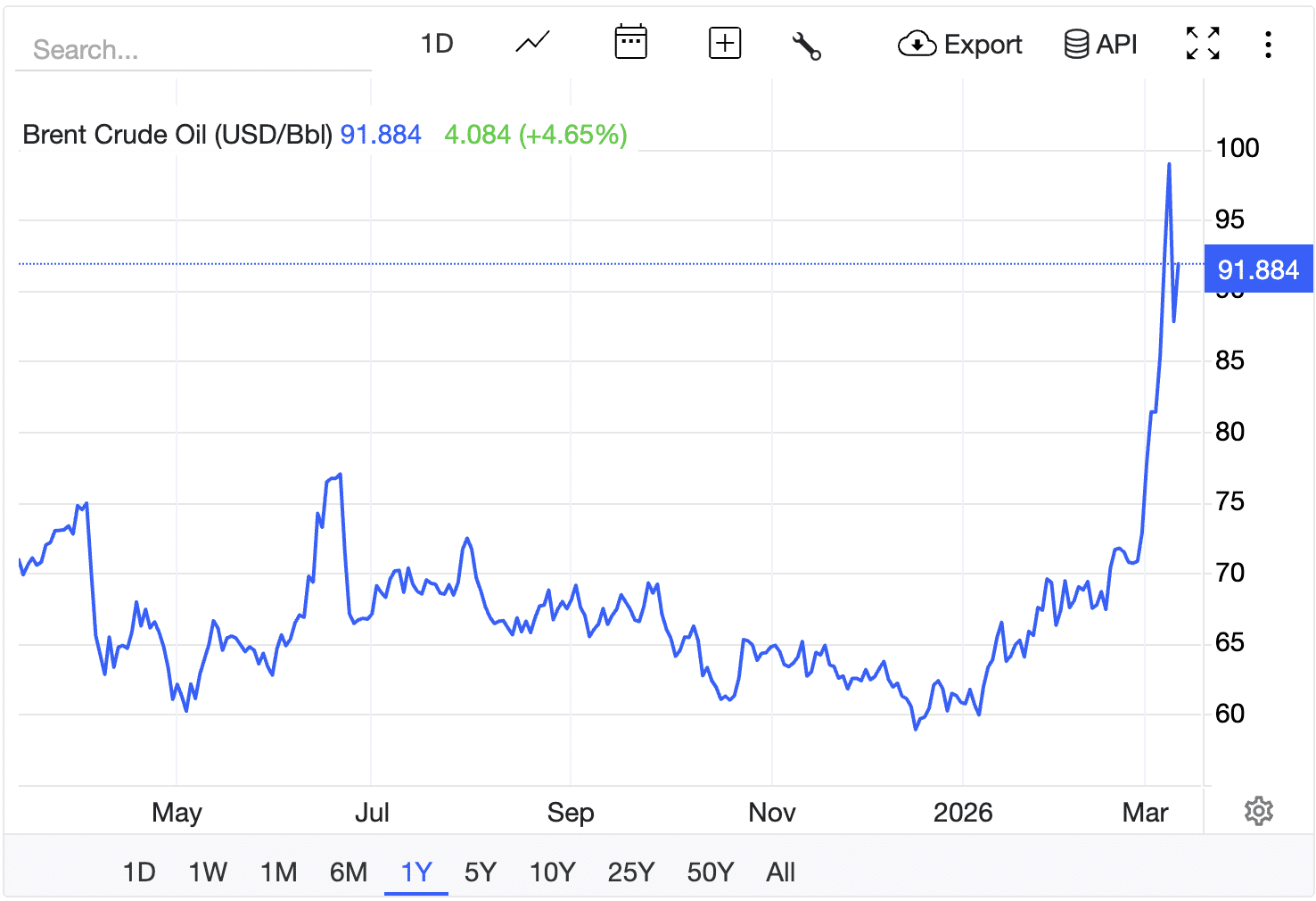
The immediate catalyst is a fresh escalation in Iran-linked tensions, which has kept crude oil prices above $90 per barrel since March 6 and forced markets to reprice the Federal Reserve’s rate-cut trajectory by an estimated 25 to 40 basis points across the front end of the curve.
The S&P 500’s sensitivity to this repricing has been acute, with the index failing to reclaim its 50-day moving average through consecutive sessions, a technical condition that historically precedes sustained de-risking across correlated assets.
If crude oil sustains above $90, the probability of a correlated drawdown that tests the BTC price structural support at $64,800, the next significant support zone, comes directly into play.
Key BTC Price Support Levels: $66,600 Floor and the $70,000 Resistance Reclaim
The immediate structural support level is $66,600, which has absorbed two consecutive daily close tests in recent weeks, and represents a confluence of the 20-day exponential moving average and a high-volume node from the prior consolidation range.
A confirmed daily close below $66,600 on above-average volume would invalidate the current floor thesis and expose $64,800 as the next meaningful demand zone, a level corresponding to the mid-February accumulation base.
To the upside for the BTC price analysis, $70,000 represents the critical reclaim threshold from both a technical and psychological perspective. The asset has twice rejected this level on an intraday basis without achieving a confirmed close above it, and until that reclaim is sustained across consecutive sessions, the technical structure remains bearish-to-neutral.